

Your product is good. Your brand is lying about it.
7 min read
You built something good. You know that. The people who've tried it know it. But somewhere between your product and the shelf — something is going wrong. And it's costing you more than you realise.
Pretty packaging without a strategy behind it isn't an investment.
It's an expensive mistake that takes 12 months to show up on your bottom line.
I've worked in brand and packaging design for 20 years. I've seen founders pour everything into their product — the sourcing, the formulation, the late nights, the money — and then hand it over to a designer who makes it look nice. And that my friends is where the cookie begins to crumble.
Because nice doesn't sell. Strategic does.
Your packaging is talking. The question is what it's saying.
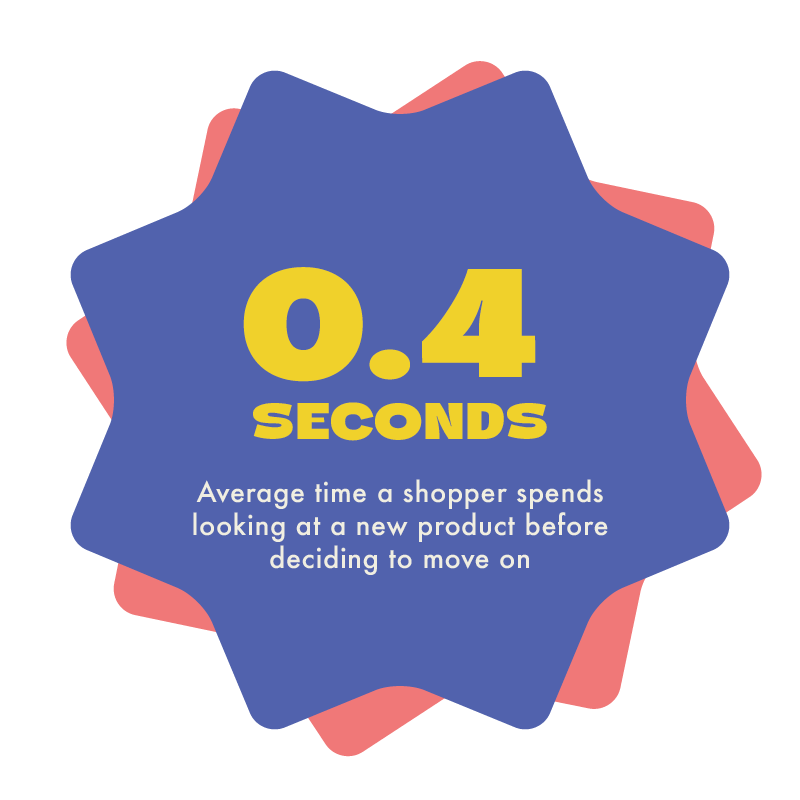
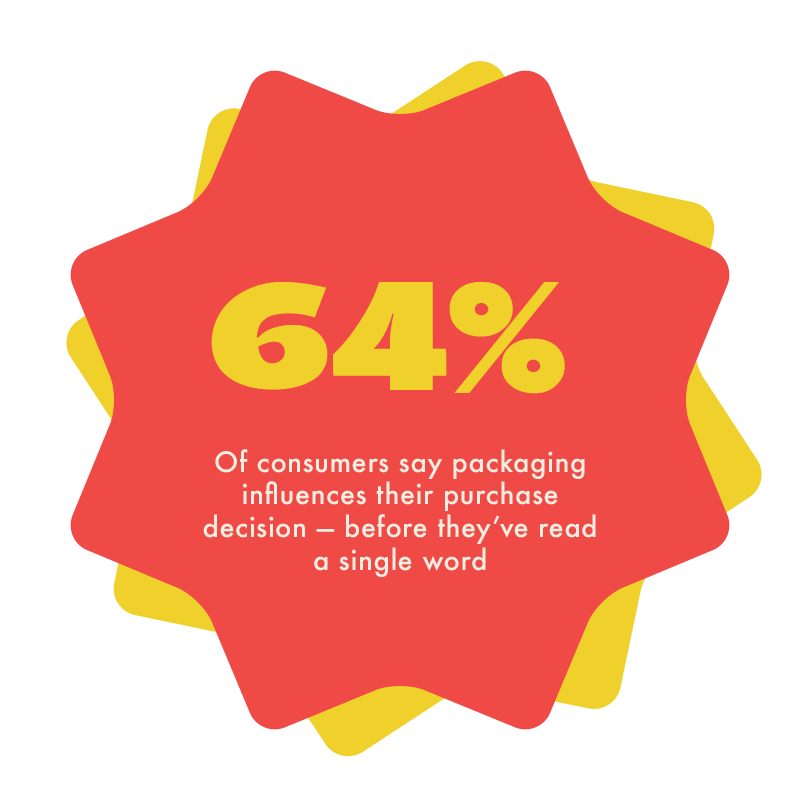
A buyer has less than a second to decide whether your product deserves their attention. Less than a second. They're not reading your ingredients list. They're not thinking about your brand values. They're making a gut call based entirely on what your packaging communicates — and whether it communicates anything at all.
Most packaging fails that test. Not because it's ugly. Because it's empty. It doesn't tell the buyer who it's for, why it's different, or why they should care. It just sits there, hoping, wishing, waiting....
Meanwhile, something with half your product's merit — and twice the branding budget — strolls out the door.
A brilliant product with a bad brand will lose to an average one with a great brand. Every time. That's not cynical — that's the market.
Design and strategy are not the same thing
Most designers are not brand strategists. They're not even pretending to be — but a lot of founders don't realise there's a pretty damn big difference until the invoice is paid and the product isn't moving.
What's missing isn't better colours or a cleaner font. It's the thinking that should have happened before anyone bothered to open a design file. Who is this for? What do they need to feel when they see it? What does this brand stand for, and how does the packaging prove it? What is this product fighting against on shelf and how the hell do we ensure it wins?
These aren't design questions. They're strategy questions. And if nobody asked them before the brief was written, your packaging is built on nothing but hot air my friends.
What "strategic" actually looks like
Strategic packaging isn't really that hard to understand. It's just as rare as hens teeth to see it done properly.
It starts with knowing exactly who you're talking to, not their age bracket and their income split — how they actually think, what they're sick of, what they want to feel. It means knowing where your product lives in the market and what it needs to do to take that space.
It means making decisions about colour, typography, structure, and copy that aren't based on what looks pretty, but on what actually works.
Every element of your packaging should be earning its place. Not just filling space. Not just looking the part, actually doing a job and telling the right story to the right person at exactly the right moment. That decision usually belongs to a designer, but it should belong to a strategist first.
That's the difference between packaging that looks great in a founder's brand deck and packaging that actually sells.
Bad branding doesn't announce itself
The problem with bad branding is that the damage is slow. You don't lose a sale and immediately know why. You just quietly underperform. Month after month, your product sits on the shelf and moves slower than it should. You run promotions. You drop your price. You wonder if the product itself is the problem.
It's not the product. It's the brand.
And by the time that's obvious, you've already spent the money once. Now you're spending it again — this time to fix what should have been right from the start.
Pretty packaging without strategy isn't a shortcut. It's a longer, more spenny route to the same place you were trying to get to — except now you're starting over with less legroom.
So what do you do with this?
If you're launching, don't touch a design brief until you've nailed your strategy. Know who you're for, what you stand for, and what your packaging needs to say before anyone even thinks about a colour palette.
If you're already out there and things aren't moving the way they should, don't assume the product is the problem. Look at your brand and look real hard. Ask whether your packaging is actually communicating something — or just taking up space on a shelf that could belong to you.
Your product is good. It deserves a brand that's working as hard as you are.
Done watching inferior products outsell yours?
If your packaging isn't working as hard as your product, that's not a design problem. Let's fix the strategy first folks.
Brand need a refresh or a total rebrand? The key differences.
These two phrases are interwoven a lot but they are different things and one requires more time and resource than the other. Before you invest in a full rebrand ask the question? Can small strategic updates solve the problems we’re experiencing?
To put it short, a refresh is about fine-tuning what you have and a rebrand is about starting from scratch.
What is a rebrand?
A rebrand means undertaking a full overhaul of the brand identity—new name, new logo, new colour palette, and often a new positioning. It’s a bigger investment.
Why might there be a need to rebrand?
If the current brand has negative perceptions, you’re pivoting and entering an entirely new market or different offerings or there could be legal issues with the current brand around trademark etc. That last one is happening A LOT in NZ, please ensure if you really are taking your business seriously that you protect it, as the big players (even those in completely different categories) are sending cease and desists for those with similar names and they often know startups don’t have the money to fight them on it.
What is a brand refresh?
Strategic updates to your existing brand assets—logo tweaks, colour adjustments, packaging updates, messaging improvements. The goal is to modernise, clarify, or optimise without losing recognition.
Why might there be a need for a brand refresh?
Your brand may have lost consistency across platforms, the logo or packaging maybe recognisable but now looks dated. You could be entering a new product range or market or it could be as simple as the product you have is great but it’s not selling as expected.
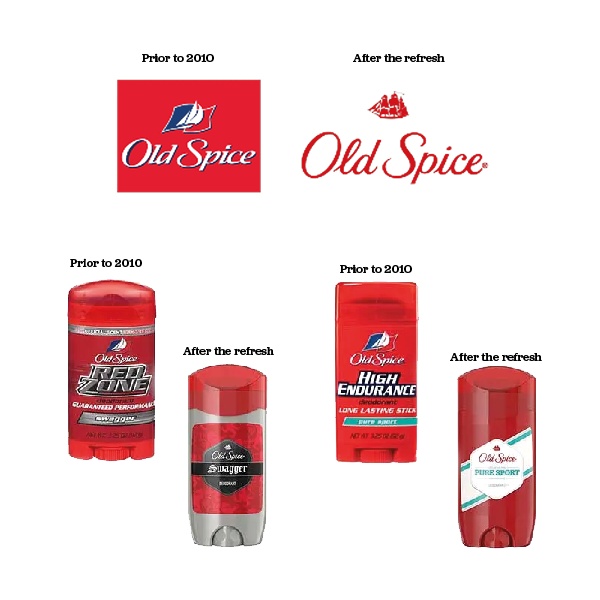
A great example of bringing a brand a brand back to life is evident with Old Spice (everyone remembers old spice right?) prior to 2010 they had become redundant and seen as ‘the old mans deodorant’, in rides 2010 on it’s high horse and they gave the brand a complete refresh updating the visual identity of their packaging and aligning it more to the 18-34 yo male demographic. They repositioned, modernised and change their brand messaging. The result? Only a measly +125% growth in sales and an increase of 3% of the market share in the body wash category. Sheesh Old Spice do better (yes I’m being sarcastic) but you see what I mean. Done well, a refresh can be game changing for a business, not to go on but Crocs is another that comes to mind in more recent years but you’ll still never pay me enough to own a pair of those ugly bloody things!
If you’re unsure what direction you should take or whether you need to take one at all, feel free to email us at and we can line a time up to touch base. It’s a big decision and as we said at the beginning, change for the sake of change is not a good enough reason. We want all our projects to see tangible results so if we don’t feel it’s the right thing that’s what we’ll tell you. Straight from the hip? yes that’s us, because ultimately our success stems from our clients success and that is always front and center for us.
Branding vs. Packaging: Why both hold the Keys to Success
Branding and packaging often get lumped together, but they each have their own superpowers—and both are essential if you want your product to succeed. They’re like the perfect marriage you could say.
What’s the Difference?
Branding is all about identity. It’s the sum of who you are as a business—your mission, values, story, and what you stand for. Strong branding builds recognition and loyalty, creating an emotional connection with your audience.
Packaging, on the other hand, is the physical element that represents your brand on the shelves. It’s what customers interact with directly and often what pulls them in for that initial purchase. Packaging gives you a canvas to showcase your brand in a tangible way, and when done right, it has the power to attract, inform, and persuade.
Why You Need Both
Imagine seeing an eye-catching package on the shelf. If the branding isn’t clear or consistent with what you see elsewhere (think website, social media, or ads), it creates confusion (and when you confuse you lose) Consistency is what reinforces trust and makes your brand memorable.
Both branding and packaging play unique roles in the customer journey. Branding creates that broader impression and tells your story across all touchpoints, but packaging is what turns that impression into an action—picking up the product and making the purchase. They’re two sides of the same coin.
Common Pitfalls to Avoid
Without consistent branding, packaging can feel out of place or disconnected, leaving your potential customers scratching their heads about who you are. And if you neglect packaging, even the most carefully crafted brand message can get lost. Your brand may have a great story, but if your packaging doesn’t reflect that or is difficult to understand at a glance, you’re missing an opportunity to make a lasting impression.
Bringing It All Together
When branding and packaging work together, the result is a cohesive experience that resonates with customers on both rational and emotional levels. Design is rooted in Psychology. Great packaging is a crucial tool that can support your brand’s identity and reinforce your values. It tells customers, “This is who we are,” and invites them to be part of that journey.
In the end, branding gives your product meaning, while packaging gives its presence. By investing in both, you’re not only building recognition but creating a seamless experience that customers will remember and trust.