

7 min read
You built something good. You know that. The people who've tried it know it. But somewhere between your product and the shelf — something is going wrong. And it's costing you more than you realise.
Pretty packaging without a strategy behind it isn't an investment.
It's an expensive mistake that takes 12 months to show up on your bottom line.
I've worked in brand and packaging design for 20 years. I've seen founders pour everything into their product — the sourcing, the formulation, the late nights, the money — and then hand it over to a designer who makes it look nice. And that my friends is where the cookie begins to crumble.
Because nice doesn't sell. Strategic does.
Your packaging is talking. The question is what it's saying.
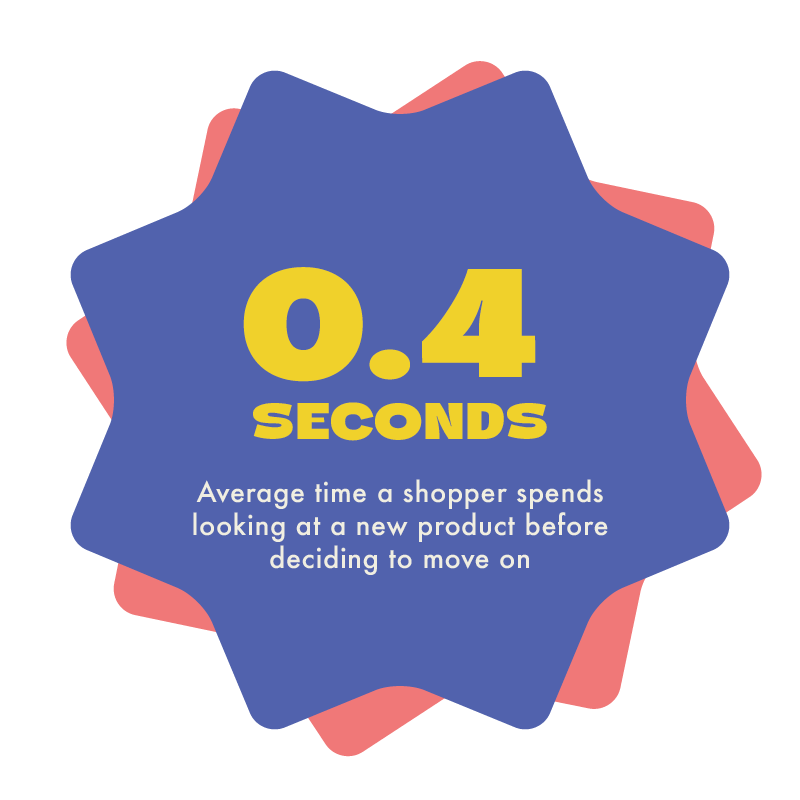
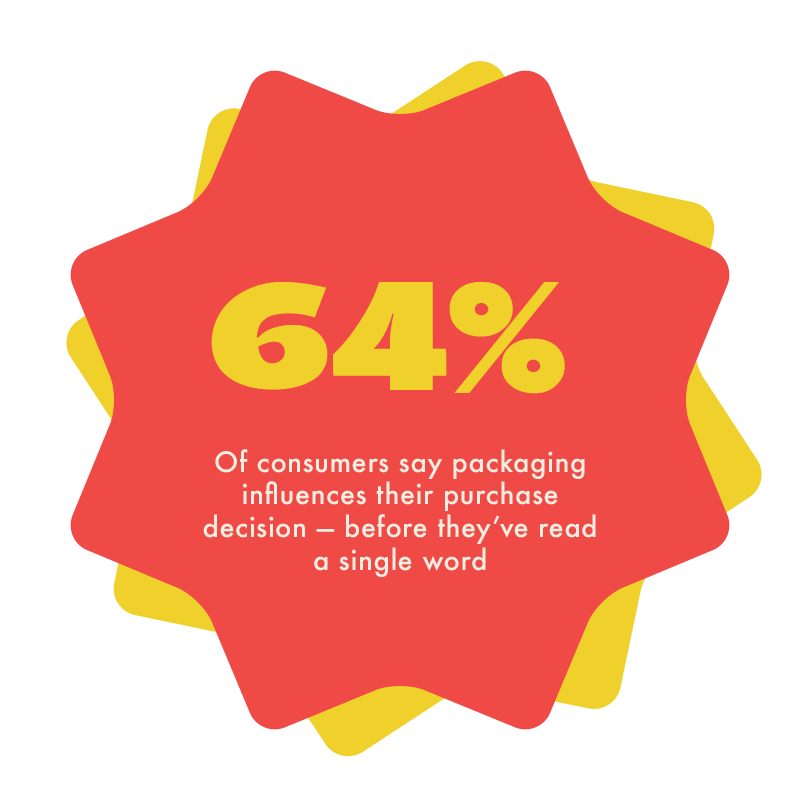
A buyer has less than a second to decide whether your product deserves their attention. Less than a second. They're not reading your ingredients list. They're not thinking about your brand values. They're making a gut call based entirely on what your packaging communicates — and whether it communicates anything at all.
Most packaging fails that test. Not because it's ugly. Because it's empty. It doesn't tell the buyer who it's for, why it's different, or why they should care. It just sits there, hoping, wishing, waiting....
Meanwhile, something with half your product's merit — and twice the branding budget — strolls out the door.
A brilliant product with a bad brand will lose to an average one with a great brand. Every time. That's not cynical — that's the market.
Design and strategy are not the same thing
Most designers are not brand strategists. They're not even pretending to be — but a lot of founders don't realise there's a pretty damn big difference until the invoice is paid and the product isn't moving.
What's missing isn't better colours or a cleaner font. It's the thinking that should have happened before anyone bothered to open a design file. Who is this for? What do they need to feel when they see it? What does this brand stand for, and how does the packaging prove it? What is this product fighting against on shelf and how the hell do we ensure it wins?
These aren't design questions. They're strategy questions. And if nobody asked them before the brief was written, your packaging is built on nothing but hot air my friends.
What "strategic" actually looks like
Strategic packaging isn't really that hard to understand. It's just as rare as hens teeth to see it done properly.
It starts with knowing exactly who you're talking to, not their age bracket and their income split — how they actually think, what they're sick of, what they want to feel. It means knowing where your product lives in the market and what it needs to do to take that space.
It means making decisions about colour, typography, structure, and copy that aren't based on what looks pretty, but on what actually works.
Every element of your packaging should be earning its place. Not just filling space. Not just looking the part, actually doing a job and telling the right story to the right person at exactly the right moment. That decision usually belongs to a designer, but it should belong to a strategist first.
That's the difference between packaging that looks great in a founder's brand deck and packaging that actually sells.
Bad branding doesn't announce itself
The problem with bad branding is that the damage is slow. You don't lose a sale and immediately know why. You just quietly underperform. Month after month, your product sits on the shelf and moves slower than it should. You run promotions. You drop your price. You wonder if the product itself is the problem.
It's not the product. It's the brand.
And by the time that's obvious, you've already spent the money once. Now you're spending it again — this time to fix what should have been right from the start.
Pretty packaging without strategy isn't a shortcut. It's a longer, more spenny route to the same place you were trying to get to — except now you're starting over with less legroom.
So what do you do with this?
If you're launching, don't touch a design brief until you've nailed your strategy. Know who you're for, what you stand for, and what your packaging needs to say before anyone even thinks about a colour palette.
If you're already out there and things aren't moving the way they should, don't assume the product is the problem. Look at your brand and look real hard. Ask whether your packaging is actually communicating something — or just taking up space on a shelf that could belong to you.
Your product is good. It deserves a brand that's working as hard as you are.
Done watching inferior products outsell yours?
If your packaging isn't working as hard as your product, that's not a design problem. Let's fix the strategy first folks.