

Your product is good. Your brand is lying about it.
7 min read
You built something good. You know that. The people who've tried it know it. But somewhere between your product and the shelf — something is going wrong. And it's costing you more than you realise.
Pretty packaging without a strategy behind it isn't an investment.
It's an expensive mistake that takes 12 months to show up on your bottom line.
I've worked in brand and packaging design for 20 years. I've seen founders pour everything into their product — the sourcing, the formulation, the late nights, the money — and then hand it over to a designer who makes it look nice. And that my friends is where the cookie begins to crumble.
Because nice doesn't sell. Strategic does.
Your packaging is talking. The question is what it's saying.
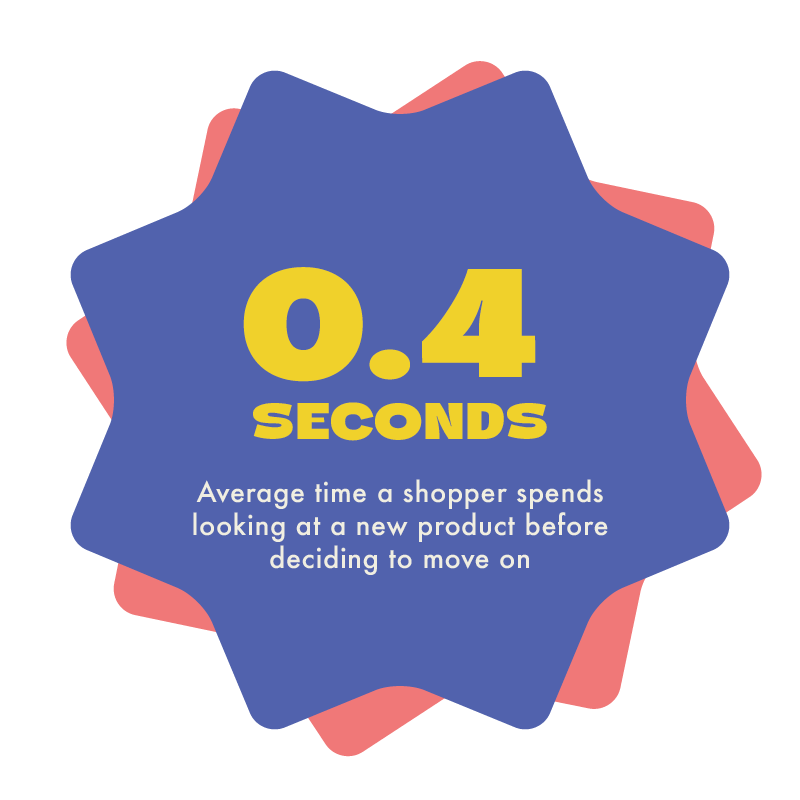
A buyer has less than a second to decide whether your product deserves their attention. Less than a second. They're not reading your ingredients list. They're not thinking about your brand values. They're making a gut call based entirely on what your packaging communicates — and whether it communicates anything at all.
Most packaging fails that test. Not because it's ugly. Because it's empty. It doesn't tell the buyer who it's for, why it's different, or why they should care. It just sits there, hoping, wishing, waiting....
Meanwhile, something with half your product's merit — and twice the branding budget — strolls out the door.
A brilliant product with a bad brand will lose to an average one with a great brand. Every time. That's not cynical — that's the market.
Design and strategy are not the same thing
Most designers are not brand strategists. They're not even pretending to be — but a lot of founders don't realise there's a pretty damn big difference until the invoice is paid and the product isn't moving.
What's missing isn't better colours or a cleaner font. It's the thinking that should have happened before anyone bothered to open a design file. Who is this for? What do they need to feel when they see it? What does this brand stand for, and how does the packaging prove it? What is this product fighting against on shelf and how the hell do we ensure it wins?
These aren't design questions. They're strategy questions. And if nobody asked them before the brief was written, your packaging is built on nothing but hot air my friends.
What "strategic" actually looks like
Strategic packaging isn't really that hard to understand. It's just as rare as hens teeth to see it done properly.
It starts with knowing exactly who you're talking to, not their age bracket and their income split — how they actually think, what they're sick of, what they want to feel. It means knowing where your product lives in the market and what it needs to do to take that space.
It means making decisions about colour, typography, structure, and copy that aren't based on what looks pretty, but on what actually works.
Every element of your packaging should be earning its place. Not just filling space. Not just looking the part, actually doing a job and telling the right story to the right person at exactly the right moment. That decision usually belongs to a designer, but it should belong to a strategist first.
That's the difference between packaging that looks great in a founder's brand deck and packaging that actually sells.
Bad branding doesn't announce itself
The problem with bad branding is that the damage is slow. You don't lose a sale and immediately know why. You just quietly underperform. Month after month, your product sits on the shelf and moves slower than it should. You run promotions. You drop your price. You wonder if the product itself is the problem.
It's not the product. It's the brand.
And by the time that's obvious, you've already spent the money once. Now you're spending it again — this time to fix what should have been right from the start.
Pretty packaging without strategy isn't a shortcut. It's a longer, more spenny route to the same place you were trying to get to — except now you're starting over with less legroom.
So what do you do with this?
If you're launching, don't touch a design brief until you've nailed your strategy. Know who you're for, what you stand for, and what your packaging needs to say before anyone even thinks about a colour palette.
If you're already out there and things aren't moving the way they should, don't assume the product is the problem. Look at your brand and look real hard. Ask whether your packaging is actually communicating something — or just taking up space on a shelf that could belong to you.
Your product is good. It deserves a brand that's working as hard as you are.
Done watching inferior products outsell yours?
If your packaging isn't working as hard as your product, that's not a design problem. Let's fix the strategy first folks.
Inside the Mind of an FMCG Category Buyer
What are the Key Factors Influencing Buyer Decisions
If your ultimate goal is to get your product into retail, here’s something you need to know: packaging is almost everything. A category buyer will often make their decision in just a couple of seconds, and packaging plays a massive role, about 60% of their decision-making process (said by them, not me!)
So, what exactly are they looking for, and what trends are shaping the FMCG space? Let’s unpack it shall we.
I recently spent a few days on a print summit with some pretty amazing presenters from all over the world who sat down with different category buyers and quizzed them on their decision-making process.
I’ve given a relatively quick rundown of the nuggets of gold I gathered over those few days.
Retail is Like Tinder: First Impressions Matter
Category buyers don’t have time to deliberate over every product—they’re swiping left or right in seconds. On-shelf decisions happen fast, typically within 1–2 seconds. That means your packaging needs to stand out and communicate the right message instantly.
What is making the biggest impact at the moment?
Colour & typography – Your brand needs to pop off the shelf while remaining category-appropriate. Catchy, well-thought-out fonts and colour palettes can be the difference between a yes and a no.
Clear hierarchy – Shoppers don’t have time to decipher cluttered designs. Prioritise key information so it’s digestible at a glance. For health products, for example, benefits should be front and centre.
Great Packaging Gets You In but The Product Keeps You There
A stunning design can get your product into a buyer’s cart, but if the product doesn’t deliver, they won’t buy again. Retailers don’t want products that sit on shelves—they need consistent sales. If your product isn’t moving, it’s out.
Key design features buyers are loving right now
Beyond the basics of strong visuals and clear messaging, here are some key features retail buyers are drawn to:
Textural finishes – Matte coatings, embossing, and foil accents add a premium feel and invite interaction.
Clever storytelling & copy – Messaging that resonates with Millennials and Gen Z is essential. These shoppers are drawn to authenticity and personality.
Visibility – If a product can be partially seen through its packaging, it builds trust. This is especially effective for food, beauty, and craft brands.
The Top Packaging Trends Right Now
Here’s what’s working—and what’s not—in FMCG packaging today:
Winning Trends:
Big, bold, and bright – Eye-catching designs with customised typography are standing out.
Hand-drawn illustrations – Clean, hand-drawn elements that elevate craft-based products.
See-through packaging – Giving consumers a peek at what they’re buying builds confidence.
Fading Trends:
Minimalism gone wrong – Overly simplistic designs can look generic, failing to capture attention in the crucial 2–3 second window.
Greenwashing – Consumers and buyers are tired of vague sustainability claims. If sustainability is your core value, show it through action, not just messaging.
Overloaded design – Loud, chaotic packaging might grab attention initially, but if it’s too hard to interpret quickly, consumers move on.
Final Thoughts
The takeaway? Packaging isn’t just about looking good—it’s about instantly communicating value, standing out, and making a buyer’s decision easy. With only a second or two to capture attention, your design needs to work hard to ensure your product gets picked up—and stays stocked.
Looking to refine your FMCG packaging to ensure retail success? Get in touch—we know how to get you there.
Deciphering Barcode Regulations
This one is inspired by Small Business FB groups! Constantly being asked about and the wrong information being given has poked this bear one too many times! They may just appear as lines and numbers to the untrained eye. To the trained eye however they’re the keys to growth in your business and supply chain acceptance.
Let’s dive into it.
If you’re NZ or Aus based your barcode authority is GS1. They should be your first and only stop.
Head here for NZ or Here for Aus.
I will add there are 3rd party providers but do yourself a favour and skip those, they’re just middlemen and it’s far more painless and cost effective dealing with GS1 direct.
Pretty much every barcode on products found in NZ or Aus feature an EAN-13 or an EAN-8 barcode. EAN is the standard here, don’t let anyone tell you different. Which you will get depends on the size of your product. Most are EAN-13 and only if your product is small enough will an EAN-8 be allocated to you. They will also supply the GTIN numbers you need for any external shipper boxes.
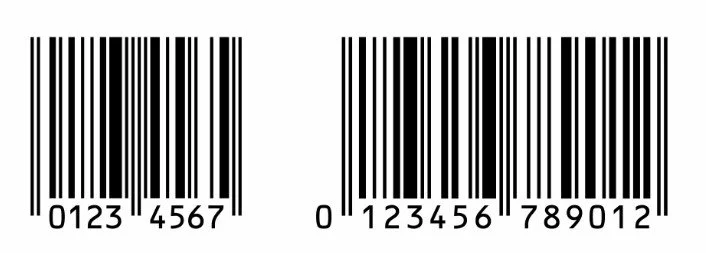
On the left is an EAN 8 with an EAN 13 on the right
Where things often fall down is in the application
Barcodes have regimented regulations around them to ensure seamless movement through the supply chain. There are specifications that must be complied with in order to pass verification and allow acceptance into the major chains (some retail chains require a verification report on your product before they will accept it). You cannot make a barcode any colour you want, size it or stretch it anyway you see fit. There are clear requirements, contrast, bar heights and widths and clear space all to take into account.
Best left to a professional if you are unsure of how these should be implemented. Barcodes are simple on face value but how to manage them can be quite technical.
Another thing often overlooked is the file type used for printing, avoid any web based file formats like jpg or png as these won’t print cleanly like a pdf or eps will and can affect the scannability of your barcode which can lead to failure of verification.
Verification isn’t very expensive and is something I recommend my clients do especially for the first product entering the supply chain, it’s worth it for the peace of mind alone and gives them confidence going forward that we’re compliant.
I have seen the consequences of a product being rejected from the supply chain while in a previous job. The client was forced to cover label ALL of their stock which of course lost them time, money and ultimately sales correcting the issue that shouldn’t have happened in the first place. Measure twice and cut once always!
As for those that try to be creative with barcodes, you know the one where they make them into fancy graphics etc. I understand the appeal (literally this was a task we had to do as a project in my design training way back in 2007!, how silly!) I would advise anyone to steer clear of that as it’s a recipe for disaster. Know the rules before you try and break them and then ask the question is there benefit in doing so? Highly unlikely.
If you’re interested in the EAN 13 Barcode specs you can find those here
We cover barcodes a bit in our packaging guide which you can grab right here
Influencing Decisions in Packaging Design
Your packaging design influences consumer decisions whether you like it or not.
Consumers are very perceptive, shaping those perceptions is key.
A fair few businesses often scrimp on packaging design or branding in the beginning. I understand budgets are pretty tight in the beginning but the stats don’t lie. If you’re a product-based business, packaging design is likely going to be the first introduction a customer has to your brand so that first impression you give? Well that’s huge.
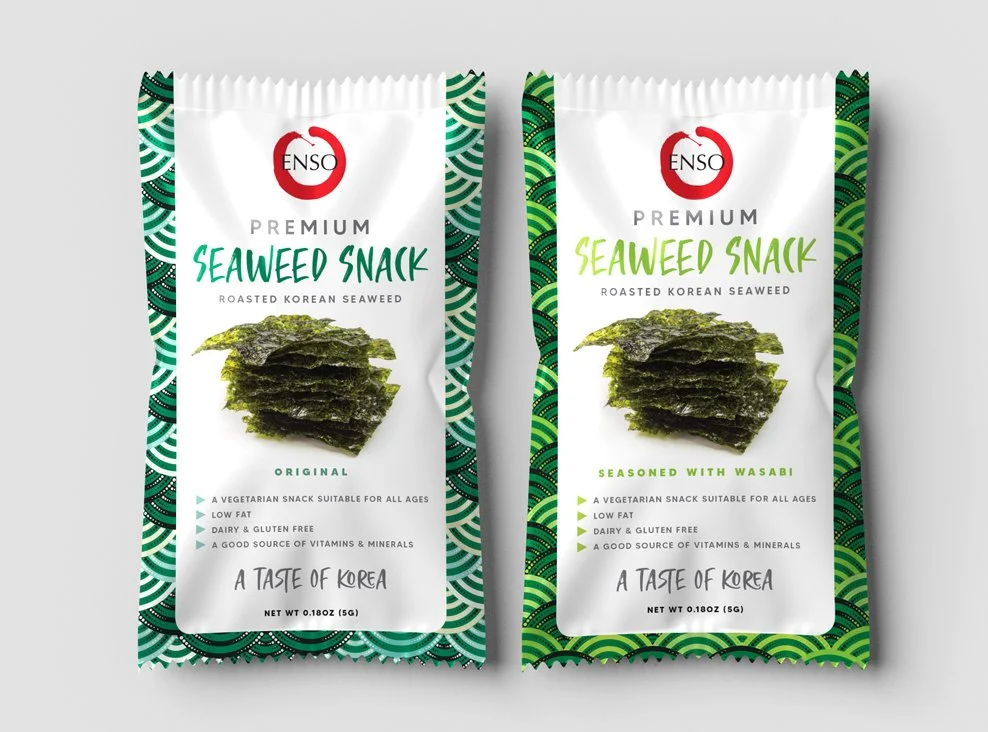
So what decisions are customers making about your product in those 3 seconds?
Whether it’s worth the price you’re asking (perceived value)
Does it appeal to them and invoke a connection through the use of imagery, colours or fonts
Is it trendy and a bit of a social status product? Some people love to keep up with the Jones’
Is the packaging sustainable? If this matters to your intended customer then this matters!
Packaging Size is there value for money here?
Can I see the product inside the packaging?
All these questions and more are assumptions made based on your packaging design alone
They hold a huge amount of influence over whether someone decides to purchase your product or not. You know it’s true, because we all do it.
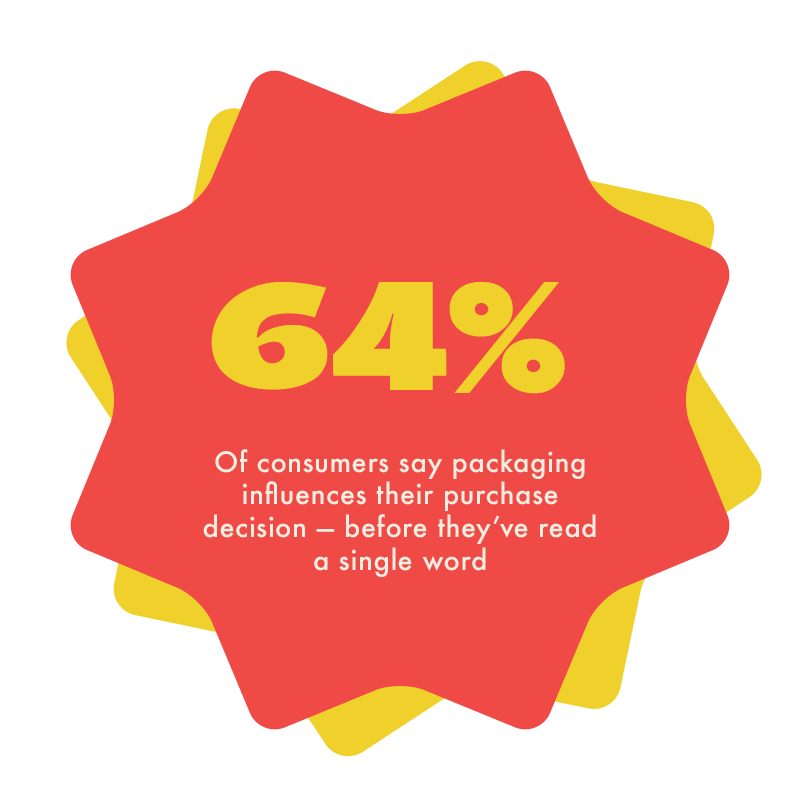
72% of Americans are influenced by packaging design in their purchasing decisions. 55% have been swayed by ‘unboxing’ videos that lead them to purchase a product (still think those things don’t matter?) They shouldn’t, but the human brain is a wicked, wicked thing, and unfortunately these relatively silly things do make a difference whether we like it or not.
Knowing all these constant decisions consumers are weighing up, helps us make better decisions around the design to reel in your intended audience.
Take a minute to evaluate your packaging design now and ask someone who may never have seen it before what their first impression was around all the things mentioned above.
Ensure it aligns with what you intended otherwise it could be time to make some adjustments. If you need some guidance feel free to reach out, it’s what I do.
tell tale signs your packaging may just suck
Aesthetically speaking your packaging might look pretty good, but to who?
If you haven’t identified your target audience and what makes them tick, how can you design to appeal to those people. Design is not about making things look good (contrary to popular opinion) It’s about achieving a goal. Every little detail lives and breathes strategy (at least it should when undertaken the right way)
From colour, type choices and graphic style, right down to your actual packaging choices. They all matter and they all send a message to a consumer. Shaping those perceptions is what design achieves so all of the little things, all of those small details, they can be the difference between thriving product sales or a slow, expensive death gathering dust on a shelf.
There has been a big surge in packaging design in New Zealand
Being naturally curious whenever I see a clearance product I know does well usually I keep an eye out the next week. Lo and behold new packaging is rolling out 9 times out of 10. It’s been huge this year as the race for shelf space heats up. We know this ourselves as 75% of enquiry in 2025 & 2026 has been for packaging design projects. Brands need to evolve alongside their customers and also pay attention to their categories as to what impact a competitor coming in hot may have on their sales.
Packaging influences 72% of purchasing decisionsmaking it a crucial investment for all product-based businesses to get right.
If you’re on the fence between two designs we recommend using stickybeak. It’s an investment sure, but an informed decision lowers the risk of a poor outcome which is going to cost you a lot more down the line.

