

Deciphering Barcode Regulations
This one is inspired by Small Business FB groups! Constantly being asked about and the wrong information being given has poked this bear one too many times! They may just appear as lines and numbers to the untrained eye. To the trained eye however they’re the keys to growth in your business and supply chain acceptance.
Let’s dive into it.
If you’re NZ or Aus based your barcode authority is GS1. They should be your first and only stop.
Head here for NZ or Here for Aus.
I will add there are 3rd party providers but do yourself a favour and skip those, they’re just middlemen and it’s far more painless and cost effective dealing with GS1 direct.
Pretty much every barcode on products found in NZ or Aus feature an EAN-13 or an EAN-8 barcode. EAN is the standard here, don’t let anyone tell you different. Which you will get depends on the size of your product. Most are EAN-13 and only if your product is small enough will an EAN-8 be allocated to you. They will also supply the GTIN numbers you need for any external shipper boxes.
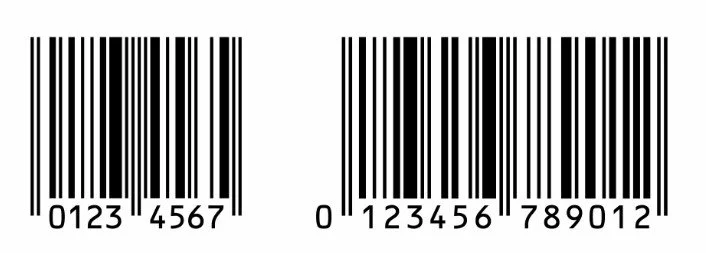
On the left is an EAN 8 with an EAN 13 on the right
Where things often fall down is in the application
Barcodes have regimented regulations around them to ensure seamless movement through the supply chain. There are specifications that must be complied with in order to pass verification and allow acceptance into the major chains (some retail chains require a verification report on your product before they will accept it). You cannot make a barcode any colour you want, size it or stretch it anyway you see fit. There are clear requirements, contrast, bar heights and widths and clear space all to take into account.
Best left to a professional if you are unsure of how these should be implemented. Barcodes are simple on face value but how to manage them can be quite technical.
Another thing often overlooked is the file type used for printing, avoid any web based file formats like jpg or png as these won’t print cleanly like a pdf or eps will and can affect the scannability of your barcode which can lead to failure of verification.
Verification isn’t very expensive and is something I recommend my clients do especially for the first product entering the supply chain, it’s worth it for the peace of mind alone and gives them confidence going forward that we’re compliant.
I have seen the consequences of a product being rejected from the supply chain while in a previous job. The client was forced to cover label ALL of their stock which of course lost them time, money and ultimately sales correcting the issue that shouldn’t have happened in the first place. Measure twice and cut once always!
As for those that try to be creative with barcodes, you know the one where they make them into fancy graphics etc. I understand the appeal (literally this was a task we had to do as a project in my design training way back in 2007!, how silly!) I would advise anyone to steer clear of that as it’s a recipe for disaster. Know the rules before you try and break them and then ask the question is there benefit in doing so? Highly unlikely.
If you’re interested in the EAN 13 Barcode specs you can find those here
We cover barcodes a bit in our packaging guide which you can grab right here