

You could use ai for your branding, but should you?
I’ve felt quite compelled to write this after seeing small business groups absolutely flooded with posts about ‘Looking for a designer to recreate a logo I made in chatgpt’. Like they are EVERYWHERE.
It’s become quite clear to me there’s a lack of understanding around ai and it’s limitations, also there are many designers (and I say that very losely as they should know better) popping up to help these people without so much of a mention of the info I’m about to outline for you.
Poor form ‘designers’ poor form.
Let me cut right to it, just because ai can create things doesn’t mean you should use it for everything. Are you aware that no copyright exists for any graphics generated by ai. Nothing, zip, nadda, so any tom, dick or harry could rip your logo off and you’ve nothing to fall back on. For example if you’re using it to create a logo or brand elements that are meant to be distinctive to your business you are in all likelihood creating something that you cannot legally protect. Which doesn’t seem like a great way to start a business, maybe it won’t matter at the beginning but what about when you start to scale etc?
Now before you say ‘but I’ve had it recreated?‘ great, but just getting a designer to redraw it doesn’t copyright, it’s still derived from ai. A design requires substantial human creativity injected to have any copyright, which basically means you’d have to change it quite a bit from that ai output to have any copyright. That means you may well run into trouble when it comes to trademarking your logo etc, given that ai is trained on other designers work and creates graphics which replicate existing designs 18-20% of the time it’s something to be very cautious of.
Many people use ai to visualise their ideas and there’s nothing wrong with that but it shouldn’t be the final destination, lots of my clients send me their ideas they’ve made and I use them as a guide as to the style they’re looking for but I would absolutely never use it as the benchmark because what it does produce lacks character, distinctiveness and has that weird vibe to it. Ai also doesn’t understand scale, hierarchy, balance and symmetry like we do, it’s a robot remember. It’s a rinse and repeat type situation.
When I’ve pointed out on these group posts about the copyright issue around this ai stuff 100% of those people posting have had no idea at all, that’s what concerns me the most (right next to the designers who should know, that say nothing and offer to help instead).
If you’re going to use ai just ensure you’re using it the right way and not setting yourself up for a cease and desist, create a brand you can protect from day one. It only takes a quick google to see the court cases from the use of ai with trademark and copyright infringements rising rapidly by the day.
Couple things to do if you are going to go down this road:
Check the small print of the platform you are using
Do your legal due diligence, do not take ai’s word for it
Use ai as a base, not a final destination.
What the Warriors know about brand building that you wish you did
Let me tell you a story about a sports team that learned the most important lesson in brand development - no it’s not about the All Blacks.
It's the NZ Warriors. A team that for most of its history, has been average on the field. Sometimes entirely worse than average (still never got the spoon though!). Yet over the past three years, they've built something most consumer brands can only dream of. A genuine cult following.
Let’s dive into how they did it, what happened at Magic Round 2026 (I was there, it was epic!), and what it means for founders trying to build brands people actually want to belong to.
The numbers
In 2019, the Warriors averaged 16,146 fans per home game. By 2025, that number had soared to over 25,300. That's a near 90% increase.
In 2024, they became the first club in NRL history to sell out every single home game in a season. Since 2023, 26 of their last 31 Auckland-based games have been sold out. Their average home attendance of 23,863 in 2025 was the highest in the club's 30-year history. The game for next month in Christchurch sold out in mere hours after the tickets went on sale.
They now have 26 commercial partners, a record number. Corporate hospitality sold out for the 2025 season before Christmas in 2024. Merchandise sales have broken records in back-to-back years including recently at magic round where it’s reported the merch sales bought in $500,000 in revenue over a few days.
Their social media audience sits at 1.3 million and is growing 30% every year. They have the largest marketing team in the entire NRL but here’s the kicker, most of this growth happened while they were a fairly average team.
That's not a marketing story. That's a brand strategy story.
The brand strategy that changed everything
So how did a team with a 30-year history of mostly disappointment build something this epic? It comes down to one strategic decision.
Glenn Harris, the Warriors' General Manager of Marketing and Business Development, put it this way: "Our whole strategic premise was to take the variability of football and results out of the brand framework." Read that again. They made a conscious decision to stop letting the scoreboard define their brand identity.
Most sports teams let their brand live and die on results. Win a few games, the brand feels good. Lose a few, the brand feels flat. The Warriors decided that was a terrible way to build anything sustainable. So they flipped it. The experience of being a fan had to be great regardless of the result.
Harris said: "The fans are actually the stars of the show. They are the ones that bring the energy, that buy the tickets, that wear the merchandise, that show that sense of belonging and unity. They effectively have control of our brand now. When you do that, it's a pretty special place to be."
That's the core insight. They handed their brand to the people who love it then had the confidence to let them keep it.
A masterclass in brand community
The "Up the Wahs" phenomenon is this brand philosophy at its most visible. Here's what's crazy - the club didn't create it. They don't even know where it came from. Media manager Richard Becht has been open about that. It emerged from the fan base organically.
When it started spreading, the club had a choice. They could have controlled it. Trademarked it aggressively. Monetised it. Corrected it. Told people it wasn't official. Instead, they let the fans keep it.
Harris said: "We didn't fuel it, it just happened organically, but nor did we quell it or try and correct it. It was something the fans owned. It's not our place to say that's right or wrong." The club eventually did trademark the phrase, but only after a brewer had already made an unauthorised tribute beer. Their stance was clear: we're not stopping anyone from using it.
That willingness to give up control in exchange for cultural relevance is rare. It's exactly why the phrase became a nationwide craze that crossed into parliament, got tattooed on bodies, had a cell network renamed in its honour, and even had NBA coach Steve Kerr and UFC’s Bruce Buffer saying it on live television.
When your brand community starts doing the work for you, you've built something real.
From product brand to an experience brand
The Warriors stopped thinking of themselves as a football club. They started thinking of themselves as a sports entertainment brand.
That distinction matters. A footy club relies on results. A sports entertainment brand relies on the quality of the experience it delivers. One is passive the otheris proactive.
During COVID, when the Warriors were stranded in Australia for three seasons and couldn't play in front of their home crowd, they had to find a new way to stay relevant. Harris described it as transforming "from being wholly reliant on seats and suites as an in-person product to a remote product that was based on clicks and eyeballs."
They started doing Zoom calls with small groups of fans. Five or six at a time. Players just talking to people. Behind-the-scenes content. Fly-on-the-wall streaming. Training, the gym, Waitangi Day. One unique piece of content per day.
Engagement rose 20% in one year. Then 40% the next.
When they finally came home, the fans were more connected than ever to their favourite team. The sell-out streak began almost immediately.
Unapologetically themselves
Most sports teams in New Zealand skew older and more male. The Warriors don't.
Commercial Manager Thomas Harris noted: "Our largest demographic is 16 to 34 year olds, and we have a 52/48 male to female split. Aside from the All Blacks and Black Ferns, it's the closest gender split you'll find in a sport in New Zealand. And the age bracket is a lot younger than most sports."
Their brand is perceived as trendy, fun, and young. They lean into that relentlessly. They don't try to be everything to everyone. They know exactly who they're for.
That clarity is not a personality trait. It's a brand strategy.
So what does this have to do with your product brand?
More than you'd think.
Decouple your brand identity from your product's performance.
The Warriors didn't let their scoreline run their brand. Most founders make the same mistake. Sales are up, brand feels great. Sales dip, panic. Your brand should stand for something bigger than one launch, one quarter, or one product. A clear point of view, a community, an experience. That's what gives it staying power when the numbers aren't playing nice.
Let your customers own part of it.
"Up the Wahs" happened because the Warriors built a brand community that was invested enough to create something of their own. When it showed up, they didn't kill it with control. Founders can do the same. Create space for customers to tell their stories with your brand as the backdrop. The more they own, the harder they'll fight for it.
Be a brand experience, not just a product.
The Warriors don't sell football. They sell belonging. The games are just the excuse to gather. Your product is the excuse. The brand is the experience. If you only show up to sell, you won't build this level of brand loyalty. Show up to entertain, educate, and build culture. The sales follow.
Know who you're for, and serve them without any apology.
The Warriors know their audience is younger, more gender-balanced, and more digitally native than most NZ sports fans. Everything they do is built around that. If you're trying to reach everyone, you're reaching no one. Pick your people and go hard.
Magic Round 2026: where brand loyalty shines
Magic Round 2026 at Suncorp Stadium in Brisbane is the best recent proof of what a strong brand can do.
This was a regular season game. Round 11. The Warriors against the Brisbane Broncos. At Suncorp Stadium. In Brisbane. Where the Broncos are the home team.
More than 50,000 fans packed into the stadium. The Warriors didn't just show up. They took over with a hikoi down Caxton street, it was crazy to be a part of. The Warriors pop-up store in the Queen Street Mall had massive queues snaking down the road. They never got any shorter, I waited quite patiently to get a magic round shirt and promptly gave up!
The atmosphere was so wahs heavy it was described as a "rare hostile atmosphere for the Broncos in Brisbane." The Warriors went on to win 42-12. A New Zealand team, playing a regular season game in Brisbane, drew enough of their own supporters to turn the away stadium hostile. That's not a fan base. That's a brand community.
The bottom line
CEO Cameron George said: "We want to be New Zealand's greatest brand in sport."
They're not there yet. The All Blacks' brand is valued at US$282 million (around NZD$452 million) and sits on a century of dominance and it’s not a competition but there is a critical difference. The All Blacks' brand is inherited. Built over 100 years by results alone. The Warriors have had to build theirs from scratch, with limited on-field success, financial pressure, and an audience that had every reason to walk away many many times.
They did it by understanding that brand equity is not about what you sell. It's about what people feel when they're part of it.
Your product is good. Your brand is lying about it.
7 min read
You built something good. You know that. The people who've tried it know it. But somewhere between your product and the shelf — something is going wrong. And it's costing you more than you realise.
Pretty packaging without a strategy behind it isn't an investment.
It's an expensive mistake that takes 12 months to show up on your bottom line.
I've worked in brand and packaging design for 20 years. I've seen founders pour everything into their product — the sourcing, the formulation, the late nights, the money — and then hand it over to a designer who makes it look nice. And that my friends is where the cookie begins to crumble.
Because nice doesn't sell. Strategic does.
Your packaging is talking. The question is what it's saying.
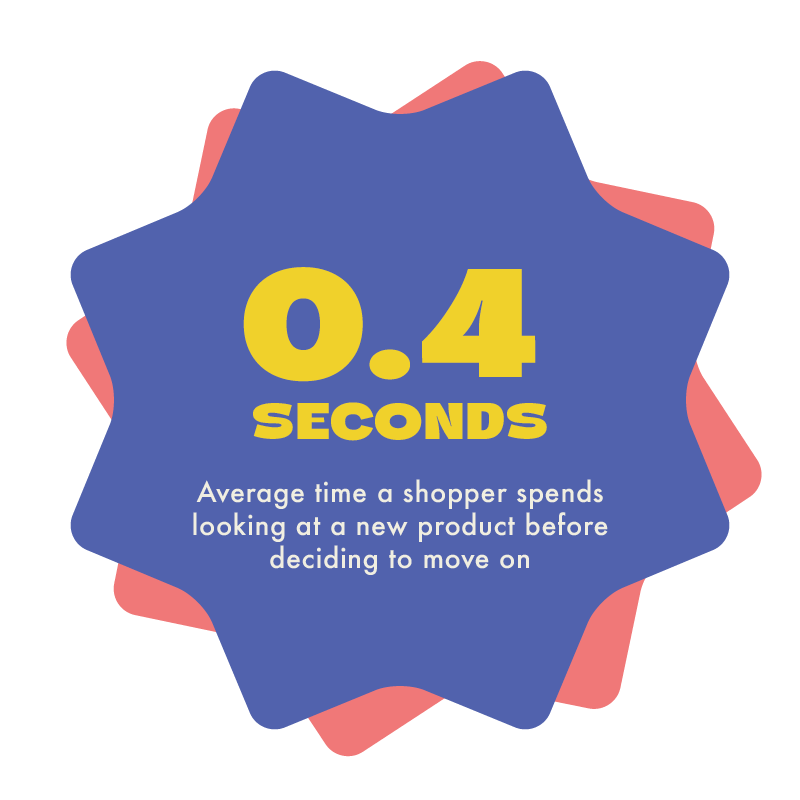
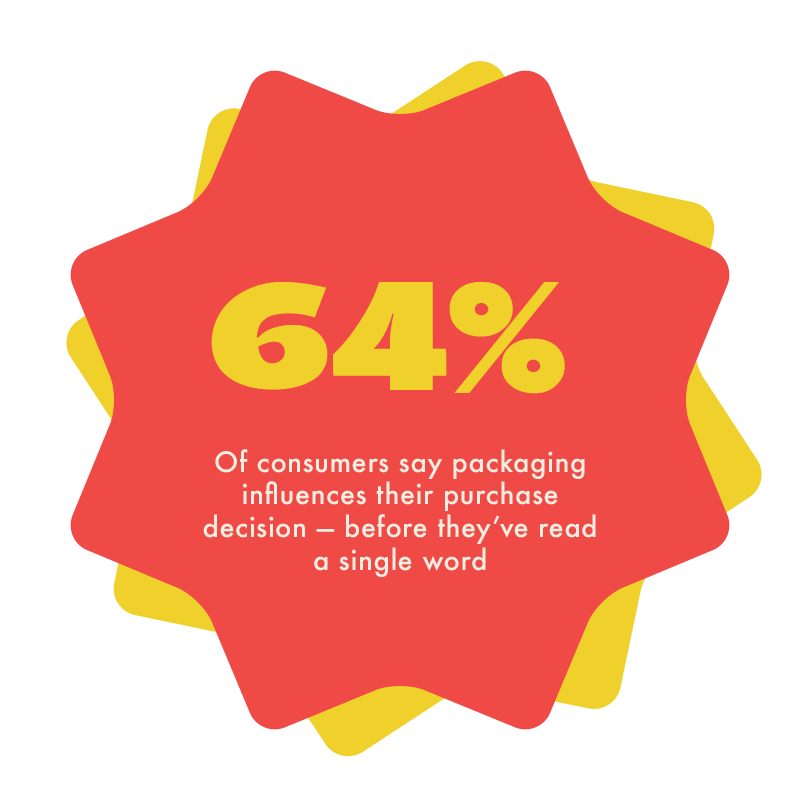
A buyer has less than a second to decide whether your product deserves their attention. Less than a second. They're not reading your ingredients list. They're not thinking about your brand values. They're making a gut call based entirely on what your packaging communicates — and whether it communicates anything at all.
Most packaging fails that test. Not because it's ugly. Because it's empty. It doesn't tell the buyer who it's for, why it's different, or why they should care. It just sits there, hoping, wishing, waiting....
Meanwhile, something with half your product's merit — and twice the branding budget — strolls out the door.
A brilliant product with a bad brand will lose to an average one with a great brand. Every time. That's not cynical — that's the market.
Design and strategy are not the same thing
Most designers are not brand strategists. They're not even pretending to be — but a lot of founders don't realise there's a pretty damn big difference until the invoice is paid and the product isn't moving.
What's missing isn't better colours or a cleaner font. It's the thinking that should have happened before anyone bothered to open a design file. Who is this for? What do they need to feel when they see it? What does this brand stand for, and how does the packaging prove it? What is this product fighting against on shelf and how the hell do we ensure it wins?
These aren't design questions. They're strategy questions. And if nobody asked them before the brief was written, your packaging is built on nothing but hot air my friends.
What "strategic" actually looks like
Strategic packaging isn't really that hard to understand. It's just as rare as hens teeth to see it done properly.
It starts with knowing exactly who you're talking to, not their age bracket and their income split — how they actually think, what they're sick of, what they want to feel. It means knowing where your product lives in the market and what it needs to do to take that space.
It means making decisions about colour, typography, structure, and copy that aren't based on what looks pretty, but on what actually works.
Every element of your packaging should be earning its place. Not just filling space. Not just looking the part, actually doing a job and telling the right story to the right person at exactly the right moment. That decision usually belongs to a designer, but it should belong to a strategist first.
That's the difference between packaging that looks great in a founder's brand deck and packaging that actually sells.
Bad branding doesn't announce itself
The problem with bad branding is that the damage is slow. You don't lose a sale and immediately know why. You just quietly underperform. Month after month, your product sits on the shelf and moves slower than it should. You run promotions. You drop your price. You wonder if the product itself is the problem.
It's not the product. It's the brand.
And by the time that's obvious, you've already spent the money once. Now you're spending it again — this time to fix what should have been right from the start.
Pretty packaging without strategy isn't a shortcut. It's a longer, more spenny route to the same place you were trying to get to — except now you're starting over with less legroom.
So what do you do with this?
If you're launching, don't touch a design brief until you've nailed your strategy. Know who you're for, what you stand for, and what your packaging needs to say before anyone even thinks about a colour palette.
If you're already out there and things aren't moving the way they should, don't assume the product is the problem. Look at your brand and look real hard. Ask whether your packaging is actually communicating something — or just taking up space on a shelf that could belong to you.
Your product is good. It deserves a brand that's working as hard as you are.
Done watching inferior products outsell yours?
If your packaging isn't working as hard as your product, that's not a design problem. Let's fix the strategy first folks.
Why Digital Design Skills Aren't Enough for Print Design
From Screen to Press
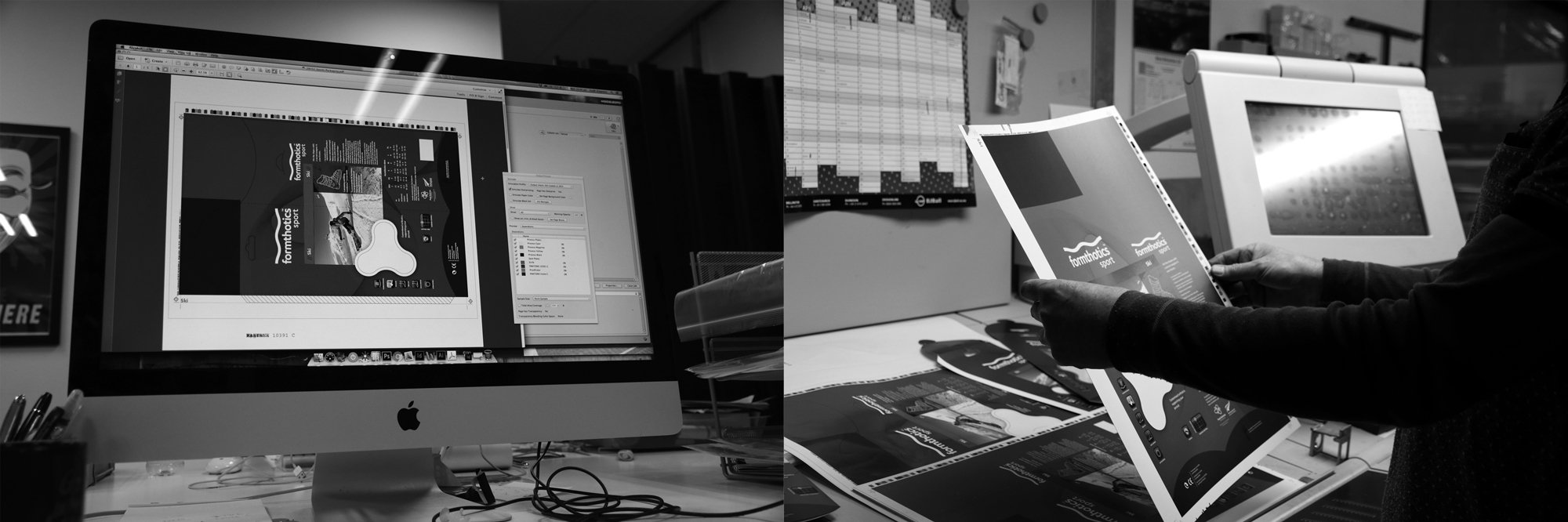
When you're ready to bring your brand to print, whether that's business cards, brochures, packaging, or signage you may well think "My website designer can handle this." Which seems logical. They understand your brand, they've created beautiful digital assets, and they know design. So what's the difference?
The difference is everything.
Print design and digital design operate under completely different rules. They require different technical knowledge, different skill sets, and different types of expertise. And here's what clients need to know: choosing the wrong designer for print can be costly in ways that digital mistakes simply aren't.
Here's what actually happens in many cases: A web designer confidently says "yes" to a print project because they want the work. They believe they understand design, and therefore, they understand print design. They might even have experience with colour, typography, and layout. But confidence isn't competence, and that's where things go wrong, like really wrong.
The dangerous part? Clients don't know the difference. You assume that if someone can design a beautiful website, they can design print materials. You assume they understand colour, file formats, and the technical requirements of printing. Ninety-nine per cent of the time, they don't and they might not even realise it.
This happens at every level. Freelance digital designers do it. In-house design teams do it. Even creative agencies often have designers who excel on screen but lack the technical print knowledge required to execute print properly and ask me how I know? Because I’ve had to upskill those in those roles and been baffled they were working on print or packaging without having the skills to begin with. Talk about rolling the dice.
The key differences between digital vs print design
Digital Design is Forgiving
In digital design, mistakes are easily fixed. Wrong colour? Change it with a click. Typography looks off on mobile? Adjust the CSS. File format not quite right? No problem. Most digital mistakes can be corrected in minutes, sometimes seconds, with very little financial consequence beyond the time spent fixing them.
This forgiving nature creates a problem. A digital designers don't necessarily develop the discipline or technical understanding required for print, because they've never had to, not their fault but they don’t know what they don’t know.
Print is quite the opposite. Once your materials leave the printing press, they're permanent. A colour that looks wrong in your branded collateral? That's thousands of printed pieces. A file set up incorrectly that causes registration issues? That's a reprint. Typography that renders incorrectly on a specific substrate? That's wasted inventory.
Print mistakes are costly. They're not "oopsy daisy, let me fix that" mistakes. They're "we need to reprint and suck up that cost" mistakes.
This fundamental difference is one is permanent versus flexibility means print design requires a completely different mindset and a specific set of technical skills. Unless they’ve worked in a print house or had specific pre-press training there isn’t a high chance that a web designer has those skills (they might but that’s what the checklist is for) Do it once, do it right as I like to say around here.
A quick checklist to ask any prospective hires
"What's your experience with print projects?" Listen for specifics, not generalities. Have they done similar projects?
"Can you explain your process for colour management in print?" They should be able to articulate this clearly.
"How do you handle file preparation and prepress?" Do they work with printers? Do they prepare files themselves?
"What happens if we find an issue with the files after they're sent to print?" A print designer will have thought about this and have a plan.
"Do you have a preferred printer, or will you work with mine?" Either answer is fine, but they should have a thoughtful response.
"Can you provide examples of printed work?" Ask to see actual printed pieces they've designed if you can.
Digital portfolios don't tell you if the print quality matches the design.
Print design and digital design are different disciplines. Both are valuable. Both require expertise. But they're not interchangeable.
If you're hiring someone to design print materials, make sure they have print expertise. Ask questions. Look for someone who understands CMYK, prepress, file specifications, and the relationship between design and printing production. Look for someone who treats print as a specialty, not an afterthought!
Your brand and your budget will most certainly thank you.
Looking to hire a print designer? Ask the right questions, look for the red and green flags, and prioritise technical expertise alongside creative skill because you need both for the best outcome.
Rebrands don’t often fail, but the thinking does.
Most rebrands don’t fail because the design is bad. They fail because the brand never was never clear on what the problem is they are trying to solve.
Design just ends up taking the blame.
If you’ve ever invested good money into a rebrand only to feel let down by the result, this is probably why.
Rebrands are usually triggered by an ongoing feeling of discomfort
Sales have stalled, the brand feels tired, the category feels crowded or something just isn’t working anymore (sound familiar?)
Instead of diagnosing the real issue, brands jump straight to the visible part of the solution. New logo. New packaging. New look.
It feels productive. It feels decisive but it skips the most important step, understanding what is actually broken.
A rebrand shouldn’t be a reset button. It should be a response to a specific problem. When that problem is unclear, the outcome will be too.
Why design becomes the scapegoat
When a rebrand disappoints, the critique can be pretty vague.
“It doesn’t feel right.”
“I expected more.”
“I’m not sure it’s us.”
These aren’t design problems. They are clarity problems and if you follow me on the gram you know how I feel about clarity. Clarity sells!
Without a clear definition of success, design becomes subjective. Everyone has an opinion. Stakeholders pull in different directions. Feedback turns into a battle of taste rather than objective judgement.
The brand may look different, but it doesn’t feel better and because design is the most visible part of the process, it takes the hit.
The brief is where most rebrands often go wrong
Most brands think they have a brief when in reality what they have is actually just a list of preferences.
“Make it more modern.”
“Elevate the brand.”
“Feel more premium.”
“Stand out more.”
These are opinions, not objectives. They describe a vibe, not a problem to solve. Vibes don’t pay the bills folks.
A strong brief doesn’t tell a designer what to make (contrary to popular assumption)
It tells them what the brand needs to achieve. Commercially, strategically, and behaviourally. The end objective leads the solution, not the other way around.
If the brief is vague, the outcome will be too. No amount of creative talent can compensate for lazy thinking.
What a rebrand is actually meant to achieve
A rebrand is not there to impress your internal stakeholders or chase clout with trends.
A rebrand should do very specific things:
Clarify what the brand stands for
Sharpen who the brand is for, and who it is not for
Improve decision-making at shelf or online
Support a clear tangible goal, not just aesthetic preference
If those outcomes are not defined upfront, the rebrand becomes cosmetic. It might look nicer, but it will not work harder for you.
Strategy is not a workshop
Strategy gets a bad reputation because it is often treated as theatre. Long decks, vague language, no clear output.
Good strategy is the opposite.
It removes subjectivity and speeds up decisions. It protects your brand from trend-chasing therefore increasing it’s longevity and it gives design something solid to amplify.
Strategy is not about overthinking. It is about making fewer, better decisions with confidence. I can’t stress this enough.
Some rebrands just slap right?
You’ve seen them. Rebrands that just land they were always meant to be.
They feel pretty obvious in hindsight. They make total sense. They move the brand forward instead of sideways.
This is rarely about insanely good design talent. It is usually because:
The problem was clearly defined
The goal was objective, not cosmetic
Fewer opinions were allowed to shitstorm the process
The brand knew what it was building towards
Clarity makes good design feel inevitable.
The real takeaway
Rebrands don’t often fail because brands chose the wrong designer. They fail because brands skip the hard thinking and expect design to fill the gaps.
Design should amplify clarity, not compensate for its absence. If you want a rebrand that works, you need to start by being brutally honest about what is not.
Rebrands shouldn’t be a knee jerk reaction and they need to be handled with care and diligence.
If you need a team that can handle yours with the utmost care hit that button below and I’ll be happy to chat about yours.
Make it stand out
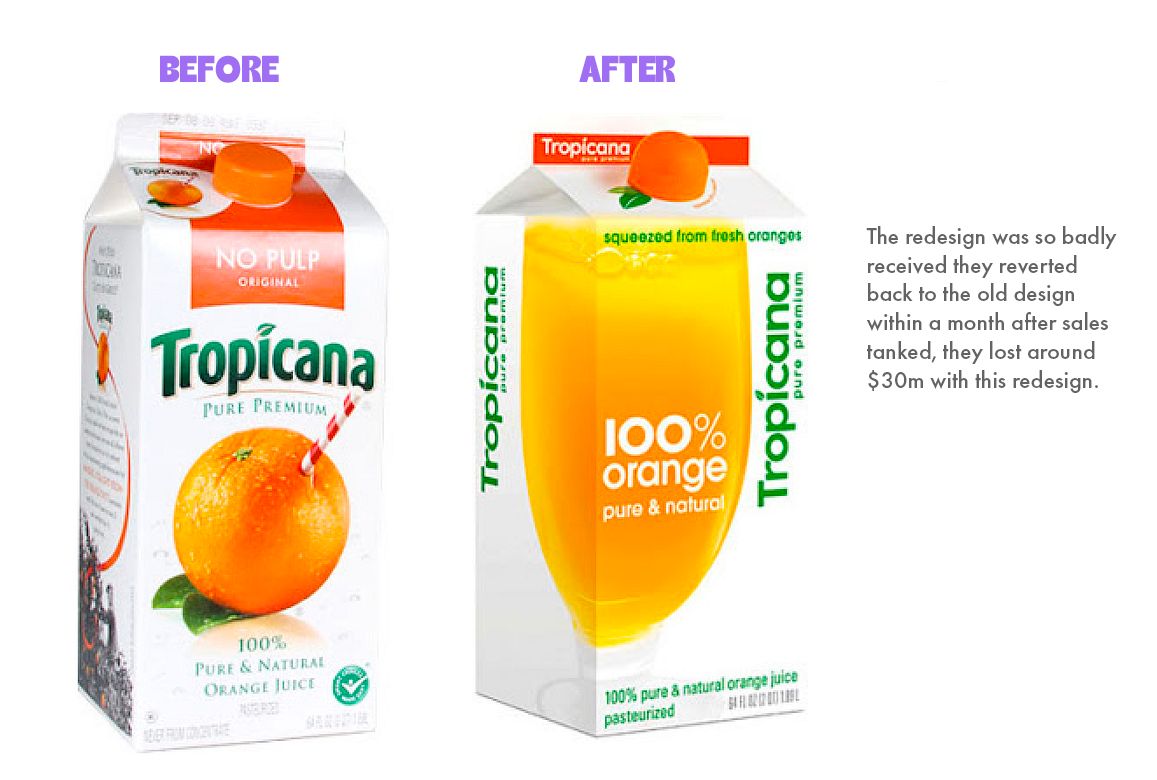
Tropicana removed all the elements that held strong bonds with their customers, the results were financially devastating. Change for change sake is never a good idea. Which is why rebrands have to be deeply rooted in strategic decision making first.
Brand need a refresh or a total rebrand? The key differences.
These two phrases are interwoven a lot but they are different things and one requires more time and resource than the other. Before you invest in a full rebrand ask the question? Can small strategic updates solve the problems we’re experiencing?
To put it short, a refresh is about fine-tuning what you have and a rebrand is about starting from scratch.
What is a rebrand?
A rebrand means undertaking a full overhaul of the brand identity—new name, new logo, new colour palette, and often a new positioning. It’s a bigger investment.
Why might there be a need to rebrand?
If the current brand has negative perceptions, you’re pivoting and entering an entirely new market or different offerings or there could be legal issues with the current brand around trademark etc. That last one is happening A LOT in NZ, please ensure if you really are taking your business seriously that you protect it, as the big players (even those in completely different categories) are sending cease and desists for those with similar names and they often know startups don’t have the money to fight them on it.
What is a brand refresh?
Strategic updates to your existing brand assets—logo tweaks, colour adjustments, packaging updates, messaging improvements. The goal is to modernise, clarify, or optimise without losing recognition.
Why might there be a need for a brand refresh?
Your brand may have lost consistency across platforms, the logo or packaging maybe recognisable but now looks dated. You could be entering a new product range or market or it could be as simple as the product you have is great but it’s not selling as expected.
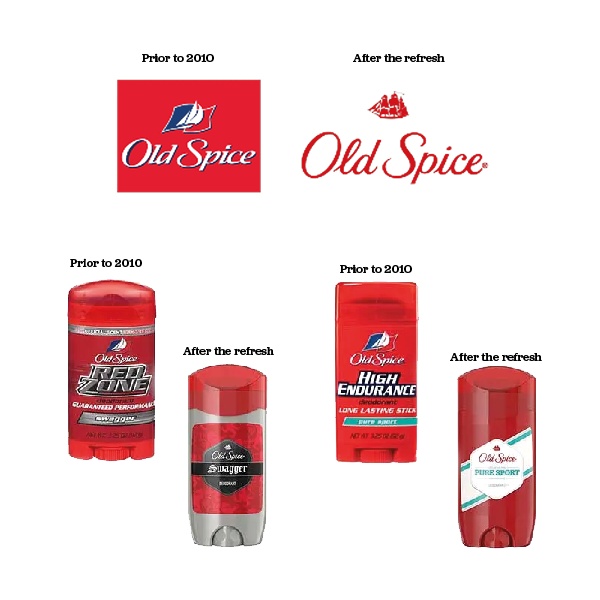
A great example of bringing a brand a brand back to life is evident with Old Spice (everyone remembers old spice right?) prior to 2010 they had become redundant and seen as ‘the old mans deodorant’, in rides 2010 on it’s high horse and they gave the brand a complete refresh updating the visual identity of their packaging and aligning it more to the 18-34 yo male demographic. They repositioned, modernised and change their brand messaging. The result? Only a measly +125% growth in sales and an increase of 3% of the market share in the body wash category. Sheesh Old Spice do better (yes I’m being sarcastic) but you see what I mean. Done well, a refresh can be game changing for a business, not to go on but Crocs is another that comes to mind in more recent years but you’ll still never pay me enough to own a pair of those ugly bloody things!
If you’re unsure what direction you should take or whether you need to take one at all, feel free to email us at and we can line a time up to touch base. It’s a big decision and as we said at the beginning, change for the sake of change is not a good enough reason. We want all our projects to see tangible results so if we don’t feel it’s the right thing that’s what we’ll tell you. Straight from the hip? yes that’s us, because ultimately our success stems from our clients success and that is always front and center for us.
Confessions of a Former Pre-Press Operator: What I Wish You Knew
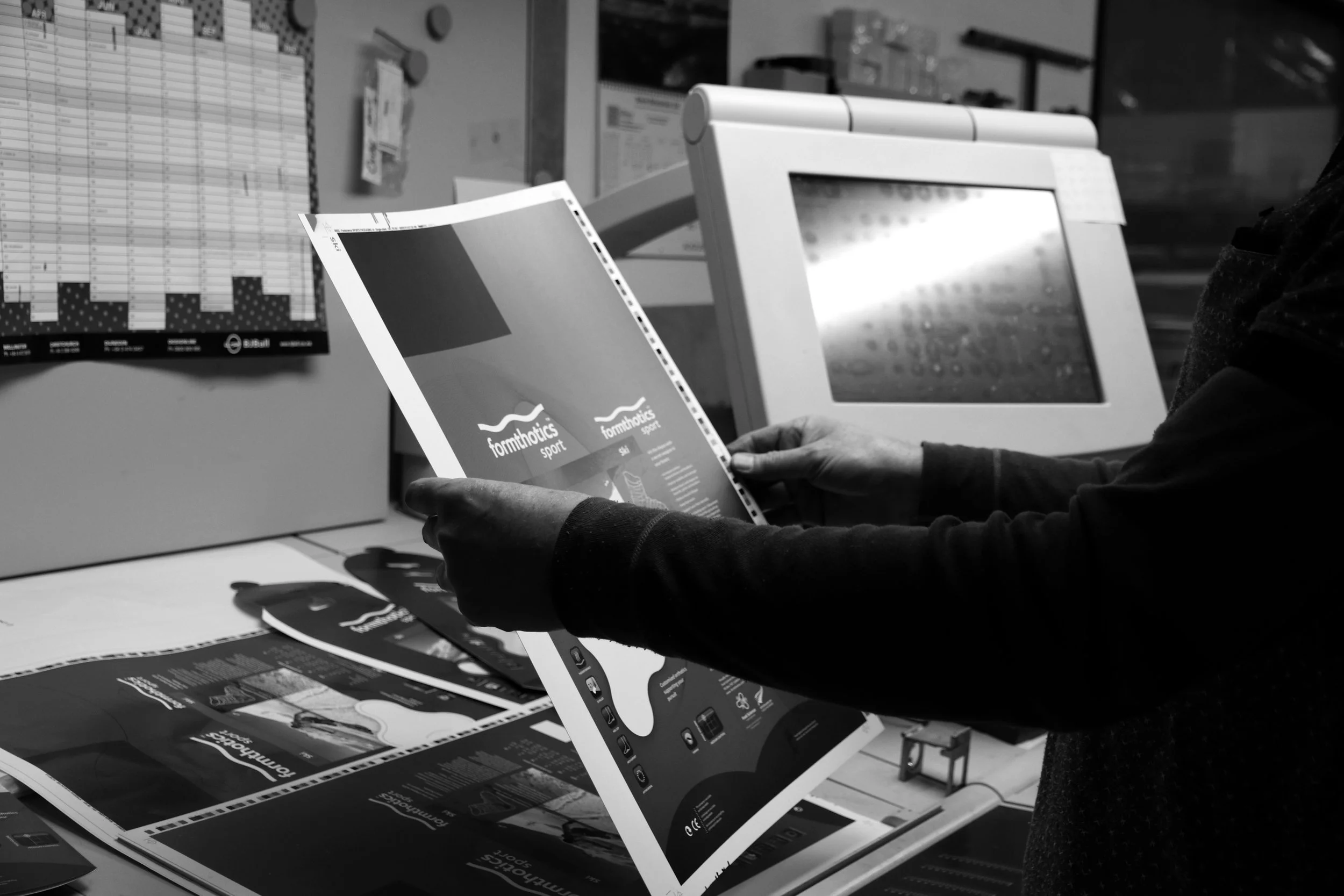
I spent a decade in pre-press. That means I’ve seen every packaging disaster you can imagine before it hit the shelves. I’ve fixed hundreds of hot messes, quietly saved brands from embarrassment, and sometimes… watched train wrecks in slow motion because it was too late to stop them. You know who supplied the worst files? It pains me to say but it was always agency designers.
Here’s what I wish you knew
Your file is not ready just because it looks good on screen
CMYK doesn’t care about your fancy gradient. That orange? It’ll look like dirt (hot tip: Use a fricken pantone) Pre-press exists to avoid unexpected outputs.Printers are not mind-readers
If you don’t supply clear dielines, bleed, and correct colour profiles, the printer has to guess. Guesswork is the enemy of brand consistency.Packaging is an unforgiving medium
What looks perfect on your laptop can warp, stretch, or misalign on a 3D surface. Pre-press catches that before you pay for 20,000 units of a shitshow. Also, be wary that what you see on your laptop may look entirely different because of screen calibrations. Always sign off on a physical proof from the printer.Typography has a breaking point
Tiny legal text, hairline fonts, overly thin strokes – they might be fine in your PDF, but in print, they can blur, fill in, or disappear entirely. Pre-press fixes that before it costs you compliance or your credibility.Skipping pre-press costs more than paying for it
I’ve seen brands lose weeks (and thousands) because they had to reprint. It’s cheaper to get it right the first time.
I know how crucial this undervalued skill is, so I don’t treat pre-press like a boring admin step. It’s where your design is bulletproofed for the real world. After ten years behind the curtain, I can tell you – this step makes the difference between a design you love and a design you regret. I now offer pre-press training on-site or online to design teams, find out more.
Tempted to copy another brands style?
If you follow us on socials you’ve definitely heard me say ‘the sea of same’ and that is not where you want your brand to be my friends.
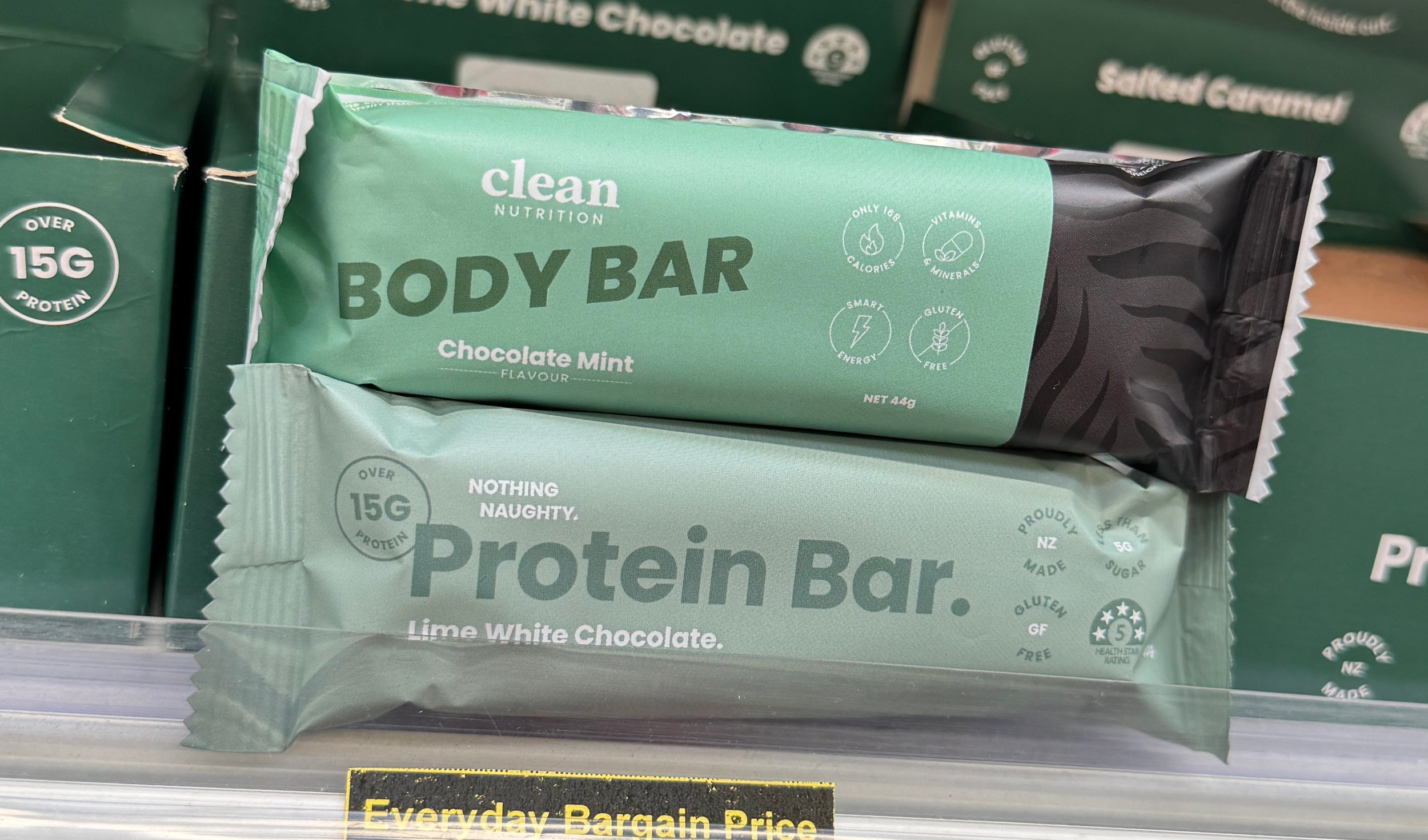
I witnessed exactly this (glaringly so) in my local chemist. Two bar brands - so similar that I mistake the new one for my favourite brand. The colours, the minimalist style, font choice, EVERYTHING. Not to mention, they were stacked vertically next to each other. If you take nothing away from this, take this:
If you confuse, you lose.
This isn’t just a coincidence. It’s a classic FMCG mistake. And it’s costing brands more than they realise.
So why do brands do this? fear and laziness put simply, but there’s more to it
The long answer is they’re chasing trends, choosing to follow someone else’s roadmap of success instead of what the right choice is for their brand positioning (do they have one?), which leads me to the next point.
Lack of brand strategy
Without identifying who you are, what you stand for and why you’re different then it’s easy to just jump on board with what you already see working in your niche.
It’s also really easy with internal teams or big agencies to get caught in a bit of echo chamber thinking. Everyone is looking at the same competitors, referencing the same trends.
So why is it bad for business?
This isn’t rocket science, if your product looks the same as the one next to it you’ve become a commodity.
So that means you’re not memorable, and that’s bad news for your margins and your brand in the long term.
3 things are likely to happen here:
You’ll be competing on price
You’ll confuse your customer
You cheapen and weaken your brand
Remember, nobody remembers the runner up in the lookalike contest you know it.
In FMCG it’s crucial to differentiate; that is the key to survival. If you look like everyone else, you’ve already lost half the battle, and it doesn’t matter how good your product is.
Your packaging is selling your product when you’re not there to so don’t underestimate its importance.
So how do you stand out on shelf?
You lead with strategy first, every design decision should align with a clear brand position. Design helps position your product. Your brand will be positioned in the eyes of the consumer, whether you like it or not. Utilising strategy in the design process helps position it where you want it to be.
The goal isn’t just to be on the shelf, it’s to be the chosen one.
This is why we refuse to lean into cookie-cutter design, our motto is always ‘lean into what makes your brand different’, taking the path less followed helps you cut through in saturated markets. Don’t be afraid to stand out, be afraid to blend in.