

Stop Burying the Good Stuff on Your Packaging
We’ve all seen them, those bold promises, the eco-friendly stamps, the endless buzzwords. Brands love them. But here’s the brutal (and honest truth) most brands are getting it wrong.
Having the right claims on your packaging is important. But having them in the right order? That’s where the real nugget of gold is.
The problem with overloading the pack
Brands often treat packaging like a billboard for every single thing they want you to know. The result? Customers are hit with a wall of text and logos, left squinting at the shelf trying to work out what the hell you are trying to tell them. Spoiler: many just won’t bother.
If you’re leading with certifications, niche ingredients, or a long-winded brand story then key elements like taste, health benefits, or convenience are buried under your layers of marketing waffle – you’re losing sales. It’s as simple as that.
Claims matter BUT accuracy matters more
Let’s get one thing straight: every claim you make needs to be accurate. This isn’t just about avoiding legal issues (although, that’s obviously pretty bloody important). Consumers are more switched on. If they sense you’re bending the truth or bullshitting them on what your product delivers, the trust is gone – and once it’s gone, it’s near impossible to get back (sounds a bit like a relationship a bit eh, because it is!).
Misleading claims might gain attention short-term, but they will damage your brand long-term.
Regulations aside, customers talk. If what’s on the pack doesn’t match what’s inside, social media will hear about it and I dare say not ALL publicity is good publicity, depends on who you ask I guess.
Which claims actually matter to consumers?
The big question: what do people actually care about when they’re standing in front of your product? It depends on your audience, but here are some that often carry the most weight:
Taste
Let’s not overcomplicate it – people buy food because they want it to taste good. If you’re leading with every ethical certification under the sun but they’ve no clue if it’s actually enjoyable, you’ve missed the mark.
Benefits
We’re all a bit more health-conscious these days. Whether it’s high protein, low sugar, or packed with vitamins – if it’s genuinely better for them, shout about it (metaphorically speaking)
Convenience
Quick, easy, on-the-go? Busy shoppers love it. If your product fits into their hectic day, make that crystal clear.
Sustainability
Consumers do care about the planet – but it’s got to feel authentic, we’ve all had enough of Greenwashing BS. Saying you’re 'eco-friendly' without any proof? That won’t fly. Be specific – recyclable packaging, carbon neutral, or sustainably sourced ingredients. Real, clear actions.
Free-From Claims
Dairy-free, gluten-free, vegan – these can be make-or-break for certain shoppers. But don’t let it overshadow the basics like taste and quality.
Getting your claim hierarchy right
Knowing your audience is everything. What do they value most? Start there.
Your claims should follow their priorities – not yours.
Think of your packaging like a conversation:
What’s the first thing they need to know? (Taste, benefit, or convenience)
What’s the reassurance they’re looking for? (Sustainability, quality, free-from)
What’s the extra detail if they want to know more? (Certifications, backstory)
Final thoughts
Your packaging is your silent salesperson. It’s got 3-4 seconds to do the job so make sure it’s saying the right things, in the right order.
Prioritise the claims that matter. Ensure every single one is accurate. And, above all, remember – no one’s buying your product just because you think it’s great. They’re buying it because it solves a need in their life.
Show them that, first and foremost.
Need help getting your packaging to actually work for your brand?
That’s kind of our thing. Get in touch – let’s crack on with it.
Deciphering Barcode Regulations
This one is inspired by Small Business FB groups! Constantly being asked about and the wrong information being given has poked this bear one too many times! They may just appear as lines and numbers to the untrained eye. To the trained eye however they’re the keys to growth in your business and supply chain acceptance.
Let’s dive into it.
If you’re NZ or Aus based your barcode authority is GS1. They should be your first and only stop.
Head here for NZ or Here for Aus.
I will add there are 3rd party providers but do yourself a favour and skip those, they’re just middlemen and it’s far more painless and cost effective dealing with GS1 direct.
Pretty much every barcode on products found in NZ or Aus feature an EAN-13 or an EAN-8 barcode. EAN is the standard here, don’t let anyone tell you different. Which you will get depends on the size of your product. Most are EAN-13 and only if your product is small enough will an EAN-8 be allocated to you. They will also supply the GTIN numbers you need for any external shipper boxes.
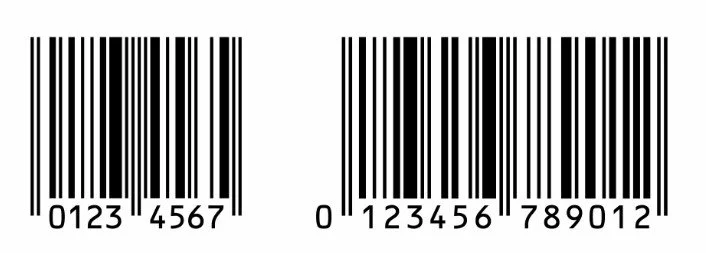
On the left is an EAN 8 with an EAN 13 on the right
Where things often fall down is in the application
Barcodes have regimented regulations around them to ensure seamless movement through the supply chain. There are specifications that must be complied with in order to pass verification and allow acceptance into the major chains (some retail chains require a verification report on your product before they will accept it). You cannot make a barcode any colour you want, size it or stretch it anyway you see fit. There are clear requirements, contrast, bar heights and widths and clear space all to take into account.
Best left to a professional if you are unsure of how these should be implemented. Barcodes are simple on face value but how to manage them can be quite technical.
Another thing often overlooked is the file type used for printing, avoid any web based file formats like jpg or png as these won’t print cleanly like a pdf or eps will and can affect the scannability of your barcode which can lead to failure of verification.
Verification isn’t very expensive and is something I recommend my clients do especially for the first product entering the supply chain, it’s worth it for the peace of mind alone and gives them confidence going forward that we’re compliant.
I have seen the consequences of a product being rejected from the supply chain while in a previous job. The client was forced to cover label ALL of their stock which of course lost them time, money and ultimately sales correcting the issue that shouldn’t have happened in the first place. Measure twice and cut once always!
As for those that try to be creative with barcodes, you know the one where they make them into fancy graphics etc. I understand the appeal (literally this was a task we had to do as a project in my design training way back in 2007!, how silly!) I would advise anyone to steer clear of that as it’s a recipe for disaster. Know the rules before you try and break them and then ask the question is there benefit in doing so? Highly unlikely.
If you’re interested in the EAN 13 Barcode specs you can find those here
We cover barcodes a bit in our packaging guide which you can grab right here
Packaging Redesign: When & Why You Should Refresh Your Product Packaging?
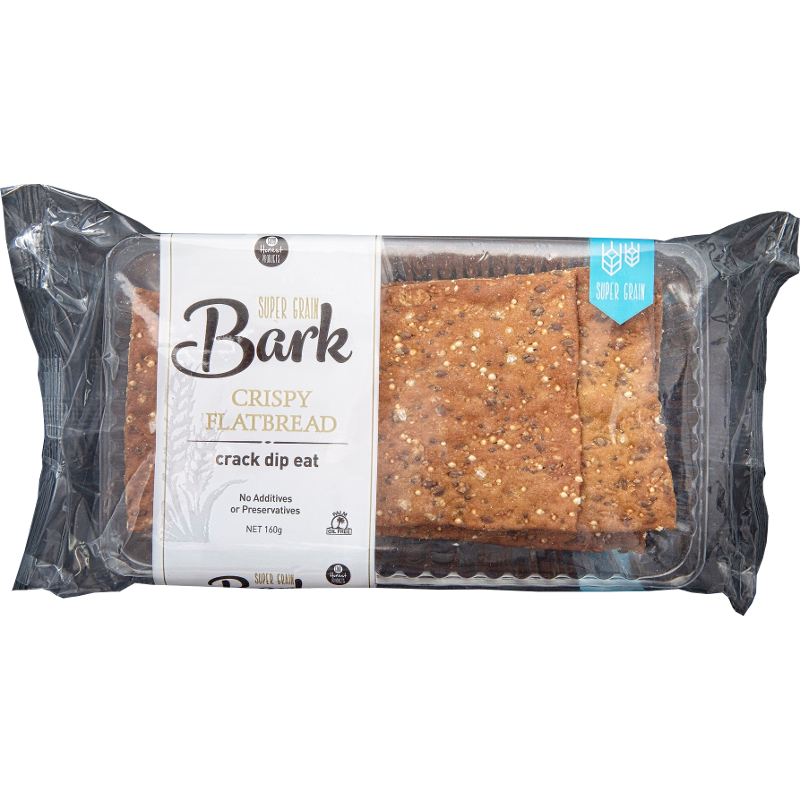
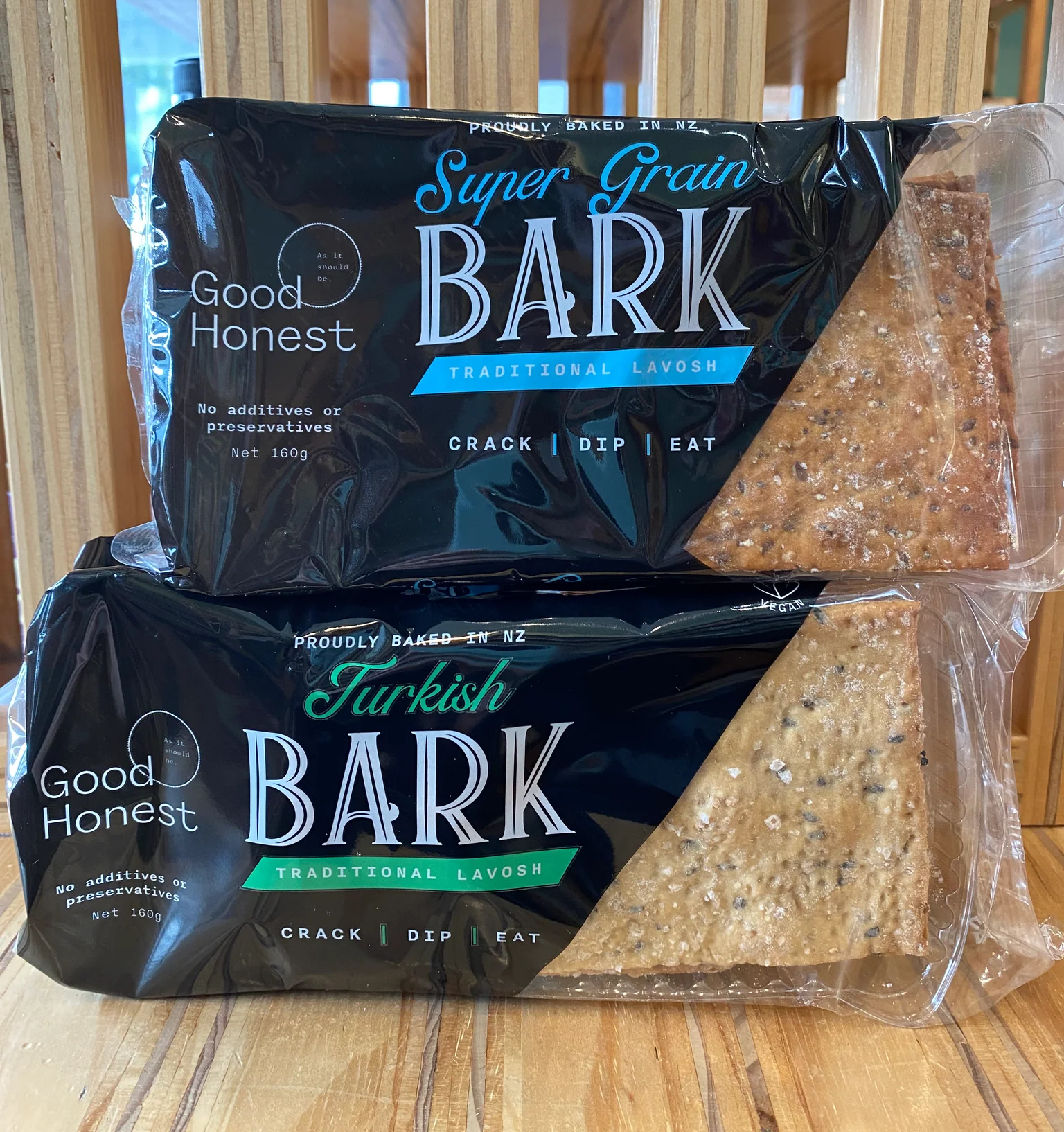
Good Honest Bark underwent a total refresh: Left - Old, Right - New. You’ll find them in your local New World
Ever wondered if your packaging is still pulling its weight? If you’re contemplating it isn’t then that tells you already that it’s letting you down. The truth is, packaging can make or break that all-important first impression with your customers.
A well-timed refresh can do wonders, but redesigning your packaging isn’t a decision to make lightly. Let’s look at when a redesign is worth considering and the steps to take when you’re ready to get stuck in.
Key Indicators for a Packaging Refresh
One of the biggest reasons to redesign is that your target audience has evolved. Your original packaging might have been perfect for your launch, but is it still hitting home with your current customers? If the look and feel of your brand has moved on, or you’re aiming for a new demographic, your packaging needs to catch up.
Trends are another good indicator. Packaging that looked fresh and on-point a few years ago can start to feel dated as design trends change. For instance, minimalism is huge right now, especially for premium products, but maybe your look was established before this trend hit its stride. There’s also the competitive angle; if similar products have stepped up their game, a redesign could give you that edge back.
Let’s not forget the impact of sustainability. More than just a buzzword and something more and more brands are taking seriously - eco-friendly packaging choices are increasingly a factor in purchasing decisions. If your packaging isn’t hitting the mark on sustainability, updating it could appeal to conscious consumers and build your brand reputation.
How many times have you ever heard a customer say “I’m not buying that, it’s eco-friendly!” probably never. However for those that take sustainability serious it can definitely be the difference between them buying your product or another.
Sometimes it’s more about the natural evolution of your brand. Maybe you’ve rebranded, expanded your product line, or shifted your mission. Packaging that aligns with where your brand is now, rather than where it was, shows that you’re growing with your audience.
What to Keep in Mind
When you decide it’s time for a change, take a hot minute to think it through. First off, don’t forget to involve your customers. They’re the ones interacting with your packaging, and their feedback is gold. Finding out what resonates with them can help you keep elements they love while refreshing the parts that don’t quite hit the mark.
Budget is another practical consideration. Redesigns can be an investment, not only in the creative process but in the production phase, especially if new materials or features are involved. Timing matters, too—you don’t want a rushed rollout, so set realistic timelines that allow you to refine the design and test it properly before launching.
Speaking of testing, platforms like Stickybeak and Snapshot are great for feedback if you want real-world feedback. It’s one of the best ways to ensure your redesign is hitting the mark before you spend thousands rolling it out to market.
Redesigning your packaging can be a game-changer, but it’s all about timing and preparation. When done well, a refresh can not only capture attention but further enhance the connection you’ve built with your customer.
If this is something you’re considering undertaking download our free ‘Master your Product Packaging’ guide with a lot of helpful info like key considerations, recommendations for suppliers and food scientists etc, barcode info and a word or two on sustainability from Environmental Scientist Millie Taylor.
Branding vs. Packaging: Why both hold the Keys to Success
Branding and packaging often get lumped together, but they each have their own superpowers—and both are essential if you want your product to succeed. They’re like the perfect marriage you could say.
What’s the Difference?
Branding is all about identity. It’s the sum of who you are as a business—your mission, values, story, and what you stand for. Strong branding builds recognition and loyalty, creating an emotional connection with your audience.
Packaging, on the other hand, is the physical element that represents your brand on the shelves. It’s what customers interact with directly and often what pulls them in for that initial purchase. Packaging gives you a canvas to showcase your brand in a tangible way, and when done right, it has the power to attract, inform, and persuade.
Why You Need Both
Imagine seeing an eye-catching package on the shelf. If the branding isn’t clear or consistent with what you see elsewhere (think website, social media, or ads), it creates confusion (and when you confuse you lose) Consistency is what reinforces trust and makes your brand memorable.
Both branding and packaging play unique roles in the customer journey. Branding creates that broader impression and tells your story across all touchpoints, but packaging is what turns that impression into an action—picking up the product and making the purchase. They’re two sides of the same coin.
Common Pitfalls to Avoid
Without consistent branding, packaging can feel out of place or disconnected, leaving your potential customers scratching their heads about who you are. And if you neglect packaging, even the most carefully crafted brand message can get lost. Your brand may have a great story, but if your packaging doesn’t reflect that or is difficult to understand at a glance, you’re missing an opportunity to make a lasting impression.
Bringing It All Together
When branding and packaging work together, the result is a cohesive experience that resonates with customers on both rational and emotional levels. Design is rooted in Psychology. Great packaging is a crucial tool that can support your brand’s identity and reinforce your values. It tells customers, “This is who we are,” and invites them to be part of that journey.
In the end, branding gives your product meaning, while packaging gives its presence. By investing in both, you’re not only building recognition but creating a seamless experience that customers will remember and trust.
Influencing Decisions in Packaging Design
Your packaging design influences consumer decisions whether you like it or not.
Consumers are very perceptive, shaping those perceptions is key.
A fair few businesses often scrimp on packaging design or branding in the beginning. I understand budgets are pretty tight in the beginning but the stats don’t lie. If you’re a product-based business, packaging design is likely going to be the first introduction a customer has to your brand so that first impression you give? Well that’s huge.
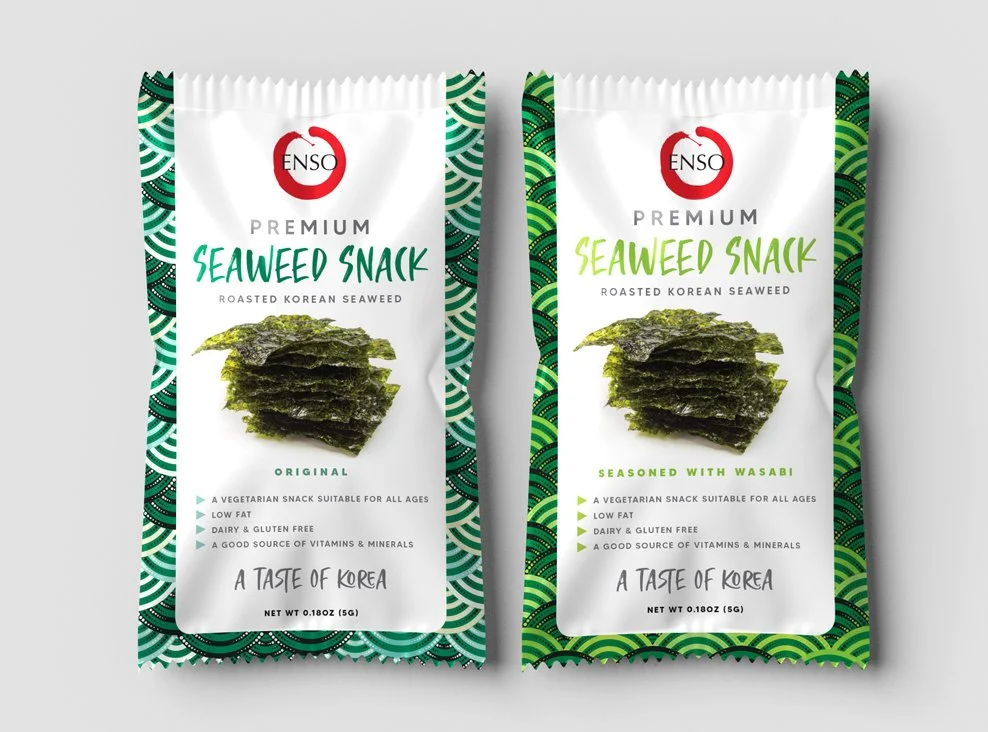
So what decisions are customers making about your product in those 3 seconds?
Whether it’s worth the price you’re asking (perceived value)
Does it appeal to them and invoke a connection through the use of imagery, colours or fonts
Is it trendy and a bit of a social status product? Some people love to keep up with the Jones’
Is the packaging sustainable? If this matters to your intended customer then this matters!
Packaging Size is there value for money here?
Can I see the product inside the packaging?
All these questions and more are assumptions made based on your packaging design alone
They hold a huge amount of influence over whether someone decides to purchase your product or not. You know it’s true, because we all do it.
72% of Americans are influenced by packaging design in their purchasing decisions. 55% have been swayed by ‘unboxing’ videos that lead them to purchase a product (still think those things don’t matter?) They shouldn’t but the human brain is a wicked, wicked thing and unfortunately these relatively silly things do make a difference whether we like it or not.
Knowing all these constant decisions consumers are weighing up, helps us make better decisions around the design to reel in your intended audience.
Take a minute to evaluate your packaging design now and ask someone who may never have seen it before what their first impression was around all the things mentioned above.
Ensure it aligns with what you intended otherwise it could be time to make some adjustments. If you need some guidance feel free to real out, it’s what we do.
tell tale signs your packaging may just suck
Aesthetically speaking your packaging might look pretty good, but to who?
If you haven’t identified your target audience and what makes them tick, how can you design to appeal to those people. Design is not about making things look good (contrary to popular opinion) It’s about achieving a goal. Every little detail lives and breathes strategy (at least it should when undertaken the right way)
From colour, type choices and graphic style, right down to your actual packaging choices. They all matter and they all send a message to a consumer. Shaping those perceptions is what design achieves so all of the little things, all of those small details, they can be the difference between thriving product sales or a slow, expensive death gathering dust on a shelf.
There has been a big surge in packaging design in New Zealand
Being naturally curious whenever I see a clearance product I know does well usually I keep an eye out the next week. Lo and behold new packaging is rolling out 9 times out of 10. It’s been huge this year as the race for shelf space heats up. We know this ourselves as 75% of enquiry in 2024 & 2025 has been for packaging design projects. Brands need to evolve alongside their customers and also pay attention to their categories as to what impact a competitor coming in hot may have on their sales.
Packaging influences 72% of purchasing decisions making it a crucial investment for all product-based businesses to get right.
If you’re on the fence between two designs we recommend using stickybeak. It’s an investment sure, but an informed decision lowers the risk of a poor outcome which is going to cost you a lot more down the line.

