

Why Digital Design Skills Aren't Enough for Print Design
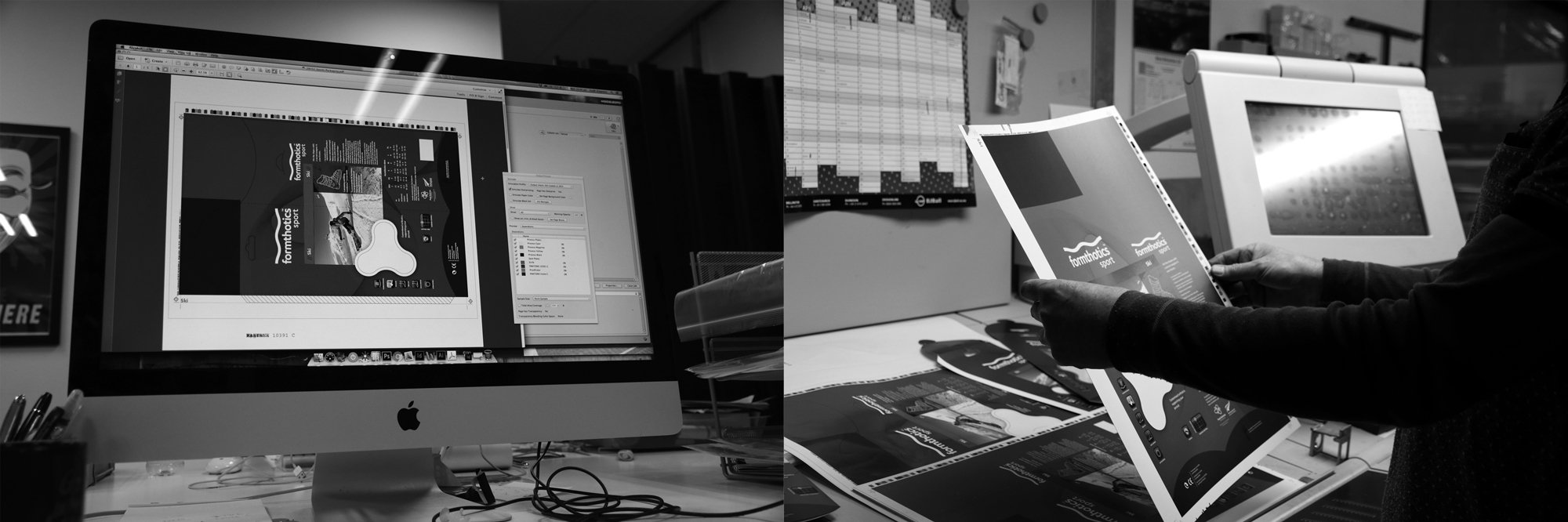
From Screen to Press
When you're ready to bring your brand to print, whether that's business cards, brochures, packaging, or signage you may well think "My website designer can handle this." Which seems logical. They understand your brand, they've created beautiful digital assets, and they know design. So what's the difference?
The difference is everything.
Print design and digital design operate under completely different rules. They require different technical knowledge, different skill sets, and different types of expertise. And here's what clients need to know: choosing the wrong designer for print can be costly in ways that digital mistakes simply aren't.
Here's what actually happens in many cases: A web designer confidently says "yes" to a print project because they want the work. They believe they understand design, and therefore, they understand print design. They might even have experience with colour, typography, and layout. But confidence isn't competence, and that's where things go wrong, like really wrong.
The dangerous part? Clients don't know the difference. You assume that if someone can design a beautiful website, they can design print materials. You assume they understand colour, file formats, and the technical requirements of printing. Ninety-nine per cent of the time, they don't and they might not even realise it.
This happens at every level. Freelance digital designers do it. In-house design teams do it. Even creative agencies often have designers who excel on screen but lack the technical print knowledge required to execute print properly and ask me how I know? Because I’ve had to upskill those in those roles and been baffled they were working on print or packaging without having the skills to begin with. Talk about rolling the dice.
The key differences between digital vs print design
Digital Design is Forgiving
In digital design, mistakes are easily fixed. Wrong colour? Change it with a click. Typography looks off on mobile? Adjust the CSS. File format not quite right? No problem. Most digital mistakes can be corrected in minutes, sometimes seconds, with very little financial consequence beyond the time spent fixing them.
This forgiving nature creates a problem. A digital designers don't necessarily develop the discipline or technical understanding required for print, because they've never had to, not their fault but they don’t know what they don’t know.
Print is quite the opposite. Once your materials leave the printing press, they're permanent. A colour that looks wrong in your branded collateral? That's thousands of printed pieces. A file set up incorrectly that causes registration issues? That's a reprint. Typography that renders incorrectly on a specific substrate? That's wasted inventory.
Print mistakes are costly. They're not "oopsy daisy, let me fix that" mistakes. They're "we need to reprint and suck up that cost" mistakes.
This fundamental difference is one is permanent versus flexibility means print design requires a completely different mindset and a specific set of technical skills. Unless they’ve worked in a print house or had specific pre-press training there isn’t a high chance that a web designer has those skills (they might but that’s what the checklist is for) Do it once, do it right as I like to say around here.
A quick checklist to ask any prospective hires
"What's your experience with print projects?" Listen for specifics, not generalities. Have they done similar projects?
"Can you explain your process for colour management in print?" They should be able to articulate this clearly.
"How do you handle file preparation and prepress?" Do they work with printers? Do they prepare files themselves?
"What happens if we find an issue with the files after they're sent to print?" A print designer will have thought about this and have a plan.
"Do you have a preferred printer, or will you work with mine?" Either answer is fine, but they should have a thoughtful response.
"Can you provide examples of printed work?" Ask to see actual printed pieces they've designed if you can.
Digital portfolios don't tell you if the print quality matches the design.
Print design and digital design are different disciplines. Both are valuable. Both require expertise. But they're not interchangeable.
If you're hiring someone to design print materials, make sure they have print expertise. Ask questions. Look for someone who understands CMYK, prepress, file specifications, and the relationship between design and printing production. Look for someone who treats print as a specialty, not an afterthought!
Your brand and your budget will most certainly thank you.
Looking to hire a print designer? Ask the right questions, look for the red and green flags, and prioritise technical expertise alongside creative skill because you need both for the best outcome.