

Your product is good. Your brand is lying about it.
7 min read
You built something good. You know that. The people who've tried it know it. But somewhere between your product and the shelf — something is going wrong. And it's costing you more than you realise.
Pretty packaging without a strategy behind it isn't an investment.
It's an expensive mistake that takes 12 months to show up on your bottom line.
I've worked in brand and packaging design for 20 years. I've seen founders pour everything into their product — the sourcing, the formulation, the late nights, the money — and then hand it over to a designer who makes it look nice. And that my friends is where the cookie begins to crumble.
Because nice doesn't sell. Strategic does.
Your packaging is talking. The question is what it's saying.
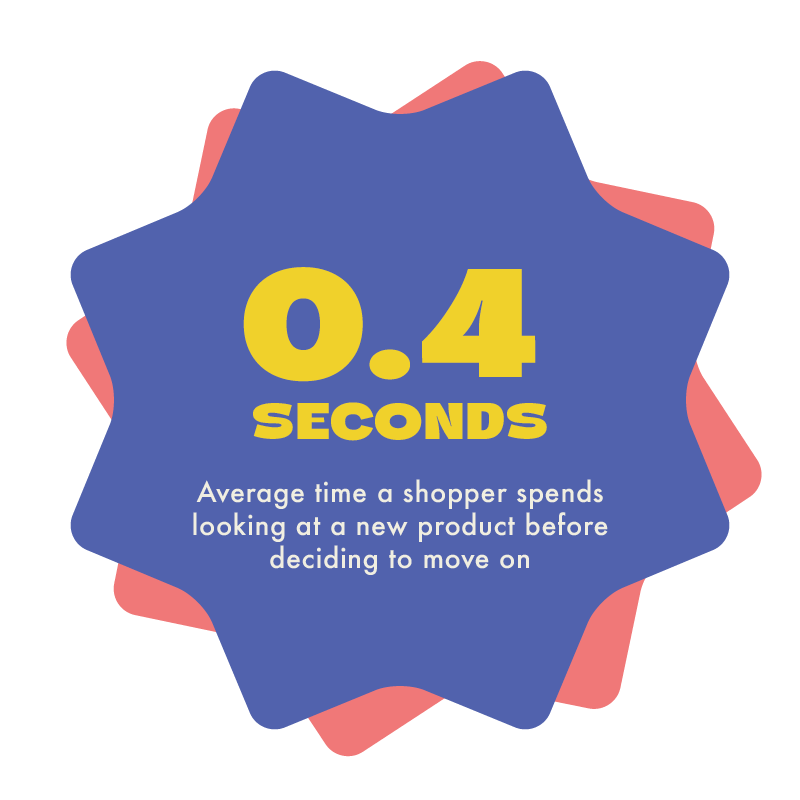
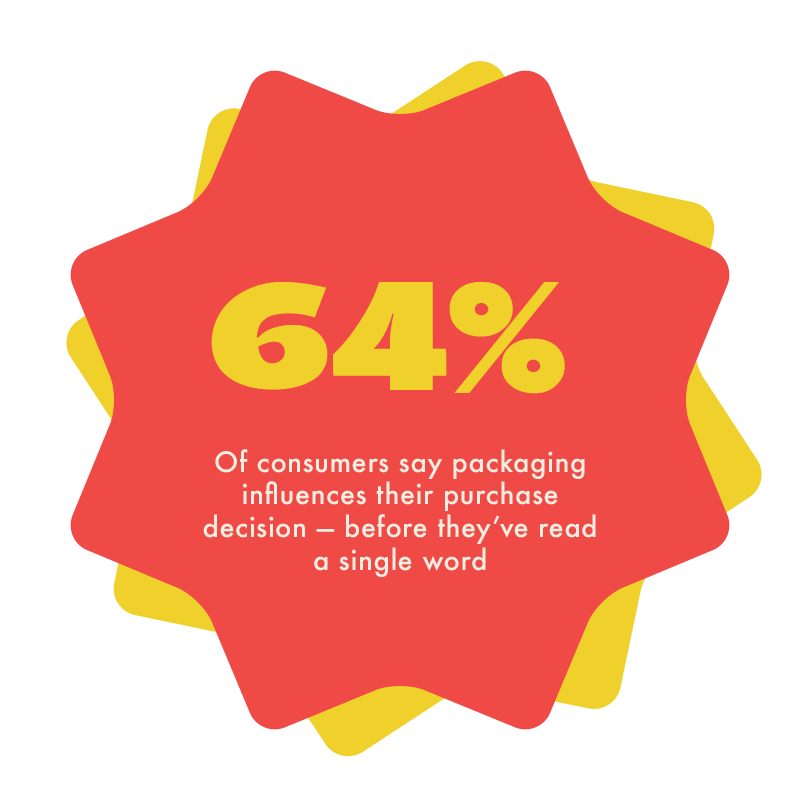
A buyer has less than a second to decide whether your product deserves their attention. Less than a second. They're not reading your ingredients list. They're not thinking about your brand values. They're making a gut call based entirely on what your packaging communicates — and whether it communicates anything at all.
Most packaging fails that test. Not because it's ugly. Because it's empty. It doesn't tell the buyer who it's for, why it's different, or why they should care. It just sits there, hoping, wishing, waiting....
Meanwhile, something with half your product's merit — and twice the branding budget — strolls out the door.
A brilliant product with a bad brand will lose to an average one with a great brand. Every time. That's not cynical — that's the market.
Design and strategy are not the same thing
Most designers are not brand strategists. They're not even pretending to be — but a lot of founders don't realise there's a pretty damn big difference until the invoice is paid and the product isn't moving.
What's missing isn't better colours or a cleaner font. It's the thinking that should have happened before anyone bothered to open a design file. Who is this for? What do they need to feel when they see it? What does this brand stand for, and how does the packaging prove it? What is this product fighting against on shelf and how the hell do we ensure it wins?
These aren't design questions. They're strategy questions. And if nobody asked them before the brief was written, your packaging is built on nothing but hot air my friends.
What "strategic" actually looks like
Strategic packaging isn't really that hard to understand. It's just as rare as hens teeth to see it done properly.
It starts with knowing exactly who you're talking to, not their age bracket and their income split — how they actually think, what they're sick of, what they want to feel. It means knowing where your product lives in the market and what it needs to do to take that space.
It means making decisions about colour, typography, structure, and copy that aren't based on what looks pretty, but on what actually works.
Every element of your packaging should be earning its place. Not just filling space. Not just looking the part, actually doing a job and telling the right story to the right person at exactly the right moment. That decision usually belongs to a designer, but it should belong to a strategist first.
That's the difference between packaging that looks great in a founder's brand deck and packaging that actually sells.
Bad branding doesn't announce itself
The problem with bad branding is that the damage is slow. You don't lose a sale and immediately know why. You just quietly underperform. Month after month, your product sits on the shelf and moves slower than it should. You run promotions. You drop your price. You wonder if the product itself is the problem.
It's not the product. It's the brand.
And by the time that's obvious, you've already spent the money once. Now you're spending it again — this time to fix what should have been right from the start.
Pretty packaging without strategy isn't a shortcut. It's a longer, more spenny route to the same place you were trying to get to — except now you're starting over with less legroom.
So what do you do with this?
If you're launching, don't touch a design brief until you've nailed your strategy. Know who you're for, what you stand for, and what your packaging needs to say before anyone even thinks about a colour palette.
If you're already out there and things aren't moving the way they should, don't assume the product is the problem. Look at your brand and look real hard. Ask whether your packaging is actually communicating something — or just taking up space on a shelf that could belong to you.
Your product is good. It deserves a brand that's working as hard as you are.
Done watching inferior products outsell yours?
If your packaging isn't working as hard as your product, that's not a design problem. Let's fix the strategy first folks.
Why Digital Design Skills Aren't Enough for Print Design
From Screen to Press
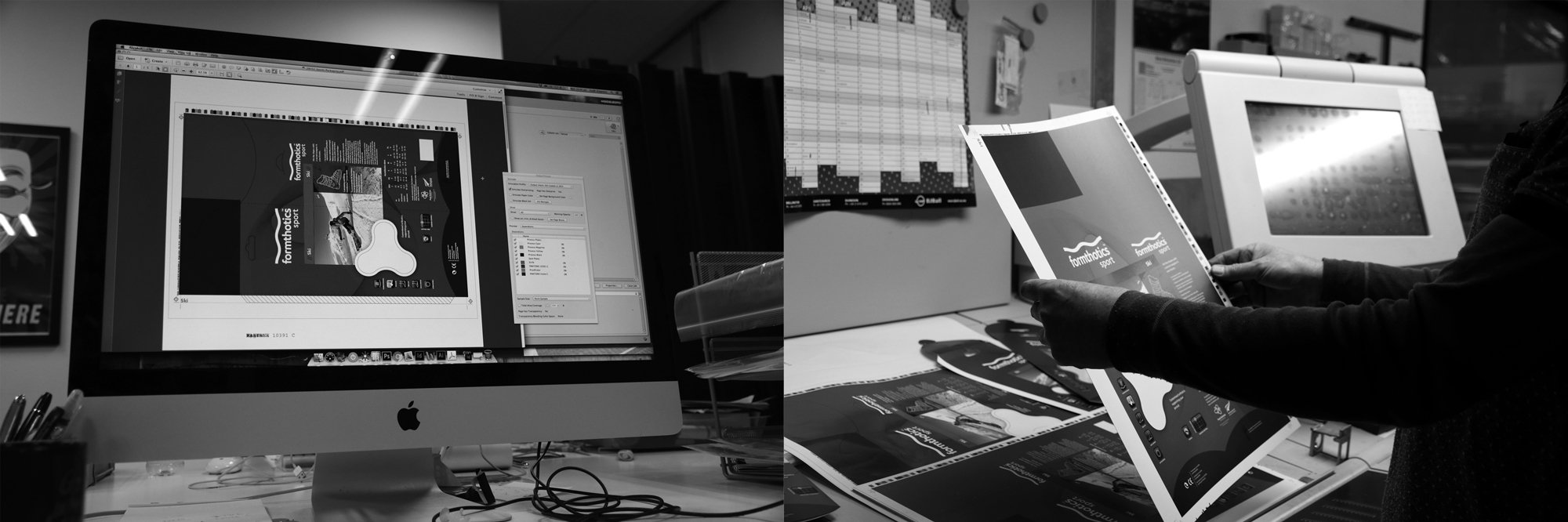
When you're ready to bring your brand to print, whether that's business cards, brochures, packaging, or signage you may well think "My website designer can handle this." Which seems logical. They understand your brand, they've created beautiful digital assets, and they know design. So what's the difference?
The difference is everything.
Print design and digital design operate under completely different rules. They require different technical knowledge, different skill sets, and different types of expertise. And here's what clients need to know: choosing the wrong designer for print can be costly in ways that digital mistakes simply aren't.
Here's what actually happens in many cases: A web designer confidently says "yes" to a print project because they want the work. They believe they understand design, and therefore, they understand print design. They might even have experience with colour, typography, and layout. But confidence isn't competence, and that's where things go wrong, like really wrong.
The dangerous part? Clients don't know the difference. You assume that if someone can design a beautiful website, they can design print materials. You assume they understand colour, file formats, and the technical requirements of printing. Ninety-nine per cent of the time, they don't and they might not even realise it.
This happens at every level. Freelance digital designers do it. In-house design teams do it. Even creative agencies often have designers who excel on screen but lack the technical print knowledge required to execute print properly and ask me how I know? Because I’ve had to upskill those in those roles and been baffled they were working on print or packaging without having the skills to begin with. Talk about rolling the dice.
The key differences between digital vs print design
Digital Design is Forgiving
In digital design, mistakes are easily fixed. Wrong colour? Change it with a click. Typography looks off on mobile? Adjust the CSS. File format not quite right? No problem. Most digital mistakes can be corrected in minutes, sometimes seconds, with very little financial consequence beyond the time spent fixing them.
This forgiving nature creates a problem. A digital designers don't necessarily develop the discipline or technical understanding required for print, because they've never had to, not their fault but they don’t know what they don’t know.
Print is quite the opposite. Once your materials leave the printing press, they're permanent. A colour that looks wrong in your branded collateral? That's thousands of printed pieces. A file set up incorrectly that causes registration issues? That's a reprint. Typography that renders incorrectly on a specific substrate? That's wasted inventory.
Print mistakes are costly. They're not "oopsy daisy, let me fix that" mistakes. They're "we need to reprint and suck up that cost" mistakes.
This fundamental difference is one is permanent versus flexibility means print design requires a completely different mindset and a specific set of technical skills. Unless they’ve worked in a print house or had specific pre-press training there isn’t a high chance that a web designer has those skills (they might but that’s what the checklist is for) Do it once, do it right as I like to say around here.
A quick checklist to ask any prospective hires
"What's your experience with print projects?" Listen for specifics, not generalities. Have they done similar projects?
"Can you explain your process for colour management in print?" They should be able to articulate this clearly.
"How do you handle file preparation and prepress?" Do they work with printers? Do they prepare files themselves?
"What happens if we find an issue with the files after they're sent to print?" A print designer will have thought about this and have a plan.
"Do you have a preferred printer, or will you work with mine?" Either answer is fine, but they should have a thoughtful response.
"Can you provide examples of printed work?" Ask to see actual printed pieces they've designed if you can.
Digital portfolios don't tell you if the print quality matches the design.
Print design and digital design are different disciplines. Both are valuable. Both require expertise. But they're not interchangeable.
If you're hiring someone to design print materials, make sure they have print expertise. Ask questions. Look for someone who understands CMYK, prepress, file specifications, and the relationship between design and printing production. Look for someone who treats print as a specialty, not an afterthought!
Your brand and your budget will most certainly thank you.
Looking to hire a print designer? Ask the right questions, look for the red and green flags, and prioritise technical expertise alongside creative skill because you need both for the best outcome.
E-Commerce VS Retail Packaging Design Considerations
Why one size doesn’t fit all
Here’s something many business owners find out the hard way. Designing for e-commerce and designing for the retail shelf space require quite different approaches.
These two channels are completely different environments. Your packaging isn’t just there to look good, it has a job to do, and that job changes depending on where your product ends up. Graphic Design doesn’t exist just to make things look pretty, it requires design strategy implementation to be truly effective.
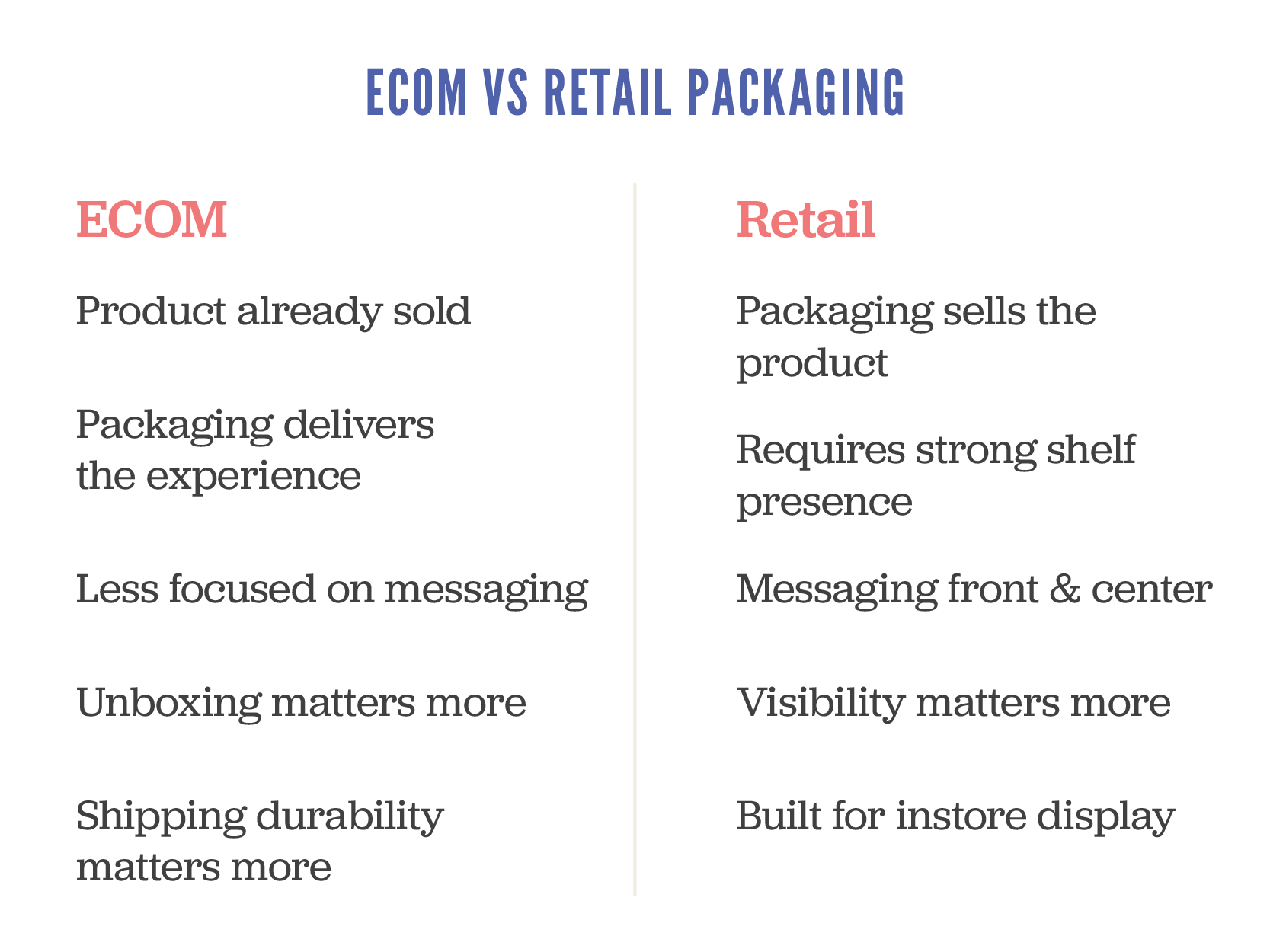
Let’s break down the key differences so you can ensure you plan accordingly and avoid costly mistakes from day one.
Firstly, your first impression works a bit differently
In-store
Your packaging is the first impression. It’s up against a sea of competitors, fighting for attention in seconds. If it doesn’t grab someone quickly, kiss goodbye to the sale, my friends.
E-commerce: The sale has already happened. Your packaging arrives after the click, making it less about persuading and more about that impression at the door. This is your chance to reinforce your brand and create a memorable unboxing moment. You’ve seen the videos on social of people raving about their purchases, take notes my friend.
The differences
In-store needs to attract attention. E-commerce needs to deliver an experience.
Secondly, your hierarchy of information needs to shift
Retail shelf packaging needs to communicate fast and clearly a number of things:
What is the product?
Who is it for?
Why should I give a shit?
What the key features of benefits are?
For online stores, the heavy lifting has already been done by your website or marketplace listing. Your packaging can afford to strip back the sell and lean into storytelling, tone of voice, and visual impact.
Avoid the common mistake of trying to cram all your retail messaging into an e-comm pack.
You’ll end up with clutter that confuses instead of converting. Consumers are lazy beings; treat them accordingly and make it simple AF.
Retail is about standing out visually, e-commerce is about pinpoint presentation
On shelf, your packaging may be stacked, lying flat, or only partially visible. It has to work from multiple angles and grab attention fast. This is where smart use of colour, layout and shape makes a real difference.
Online, you control the product photo, but your customer still interacts with the physical pack when it arrives at their door. Think about how it opens, whether it feels premium (if the price point is high on the item), and whether the structure helps protect and present the product well.
Design for the journey, not just the destination
Retail packs sit on shelves, possibly handled by a few customers. They need to be tidy and tamper-proof, but not bulletproof.
E-commerce packs go through warehouses, vans, sorting depots, and who knows what before reaching the buyer. If your packaging can’t take a few knocks, you’ll end up with broken products, refund requests, and bad reviews.
Spend the money where it matters
Retail packaging often benefits from premium finishes like foil, embossing or spot UV. I’ve made myself hoarse saying this but it really is your silent salesperson, and it needs to impress. If you disagree with that statement, then you haven’t unlocked the potential there is for your product when your packaging is designed rooted in a strategic approach. No design is done on a whim; if your designer can’t justify the ‘why’ in what they’ve presented to you, they’re not the right person to move the needle for your business.
E-commerce packaging might not need all the bells and whistles especially if the customer bins it minutes after opening. A well-designed insert, printed tissue paper, or branded seal can have more emotional impact than a fancy box.
Be strategic, not just stylish.
So what should startups do?
Start by asking this very simple question
Where is my customer encountering my product first?
If you’re selling online only, focus on the unboxing experience and protective design.
If you’re going into retail, create shelf-ready packaging with a strong disruptive visuals and clear messaging
If you’re doing both, be prepared to develop two packaging solutions, or work with a designer who can build in smart flexibility.
I’ll leave you with some parting thoughts. Good packaging isn’t just pretty. It’s a key part of your customer experience and your product’s performance.
Design for the sales channel, not just the product. Understand the difference between selling on shelf and selling at the doorstep, and design accordingly.
As a specialist packaging design agency we can help if you’re unsure on how to move forward with the decisions around your packaging. Just sing out!
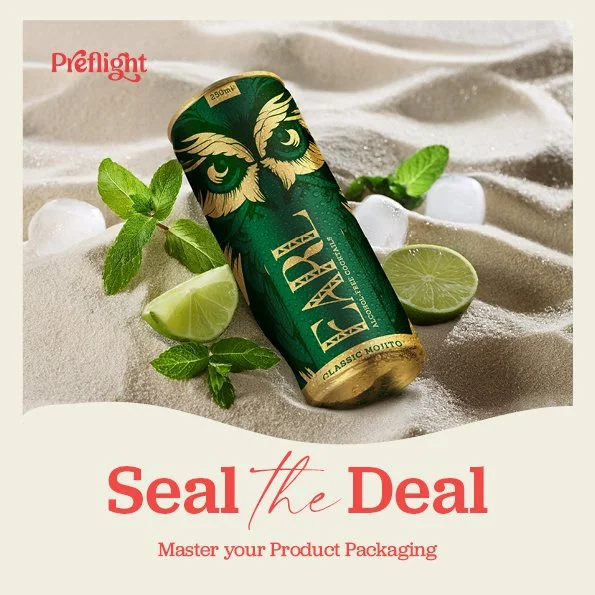
Download our Packaging Guide
If you’re looking to organise packaging for your product, grab our packaging guide for tips and tricks and a handy checklist to ensure you don’t overlook anything and avoid costly mistakes and delays
Stop Burying the Good Stuff on Your Packaging
We’ve all seen them, those bold promises, the eco-friendly stamps, the endless buzzwords. Brands love them. But here’s the brutal (and honest truth) most brands are getting it wrong.
Having the right claims on your packaging is important. But having them in the right order? That’s where the real nugget of gold is.
The problem with overloading the pack
Brands often treat packaging like a billboard for every single thing they want you to know. The result? Customers are hit with a wall of text and logos, left squinting at the shelf trying to work out what the hell you are trying to tell them. Spoiler: many just won’t bother.
If you’re leading with certifications, niche ingredients, or a long-winded brand story then key elements like taste, health benefits, or convenience are buried under your layers of marketing waffle – you’re losing sales. It’s as simple as that.
Claims matter BUT accuracy matters more
Let’s get one thing straight: every claim you make needs to be accurate. This isn’t just about avoiding legal issues (although, that’s obviously pretty bloody important). Consumers are more switched on. If they sense you’re bending the truth or bullshitting them on what your product delivers, the trust is gone – and once it’s gone, it’s near impossible to get back (sounds a bit like a relationship a bit eh, because it is!).
Misleading claims might gain attention short-term, but they will damage your brand long-term.
Regulations aside, customers talk. If what’s on the pack doesn’t match what’s inside, social media will hear about it and I dare say not ALL publicity is good publicity, depends on who you ask I guess.
Which claims actually matter to consumers?
The big question: what do people actually care about when they’re standing in front of your product? It depends on your audience, but here are some that often carry the most weight:
Taste
Let’s not overcomplicate it – people buy food because they want it to taste good. If you’re leading with every ethical certification under the sun but they’ve no clue if it’s actually enjoyable, you’ve missed the mark.
Benefits
We’re all a bit more health-conscious these days. Whether it’s high protein, low sugar, or packed with vitamins – if it’s genuinely better for them, shout about it (metaphorically speaking)
Convenience
Quick, easy, on-the-go? Busy shoppers love it. If your product fits into their hectic day, make that crystal clear.
Sustainability
Consumers do care about the planet – but it’s got to feel authentic, we’ve all had enough of Greenwashing BS. Saying you’re 'eco-friendly' without any proof? That won’t fly. Be specific – recyclable packaging, carbon neutral, or sustainably sourced ingredients. Real, clear actions.
Free-From Claims
Dairy-free, gluten-free, vegan – these can be make-or-break for certain shoppers. But don’t let it overshadow the basics like taste and quality.
Getting your claim hierarchy right
Knowing your audience is everything. What do they value most? Start there.
Your claims should follow their priorities – not yours.
Think of your packaging like a conversation:
What’s the first thing they need to know? (Taste, benefit, or convenience)
What’s the reassurance they’re looking for? (Sustainability, quality, free-from)
What’s the extra detail if they want to know more? (Certifications, backstory)
Final thoughts
Your packaging is your silent salesperson. It’s got 3-4 seconds to do the job so make sure it’s saying the right things, in the right order.
Prioritise the claims that matter. Ensure every single one is accurate. And, above all, remember – no one’s buying your product just because you think it’s great. They’re buying it because it solves a need in their life.
Show them that, first and foremost.
Need help getting your packaging to actually work for your brand?
That’s kind of our thing. Get in touch – let’s crack on with it.
Branding vs. Packaging: Why both hold the Keys to Success
Branding and packaging often get lumped together, but they each have their own superpowers—and both are essential if you want your product to succeed. They’re like the perfect marriage you could say.
What’s the Difference?
Branding is all about identity. It’s the sum of who you are as a business—your mission, values, story, and what you stand for. Strong branding builds recognition and loyalty, creating an emotional connection with your audience.
Packaging, on the other hand, is the physical element that represents your brand on the shelves. It’s what customers interact with directly and often what pulls them in for that initial purchase. Packaging gives you a canvas to showcase your brand in a tangible way, and when done right, it has the power to attract, inform, and persuade.
Why You Need Both
Imagine seeing an eye-catching package on the shelf. If the branding isn’t clear or consistent with what you see elsewhere (think website, social media, or ads), it creates confusion (and when you confuse you lose) Consistency is what reinforces trust and makes your brand memorable.
Both branding and packaging play unique roles in the customer journey. Branding creates that broader impression and tells your story across all touchpoints, but packaging is what turns that impression into an action—picking up the product and making the purchase. They’re two sides of the same coin.
Common Pitfalls to Avoid
Without consistent branding, packaging can feel out of place or disconnected, leaving your potential customers scratching their heads about who you are. And if you neglect packaging, even the most carefully crafted brand message can get lost. Your brand may have a great story, but if your packaging doesn’t reflect that or is difficult to understand at a glance, you’re missing an opportunity to make a lasting impression.
Bringing It All Together
When branding and packaging work together, the result is a cohesive experience that resonates with customers on both rational and emotional levels. Design is rooted in Psychology. Great packaging is a crucial tool that can support your brand’s identity and reinforce your values. It tells customers, “This is who we are,” and invites them to be part of that journey.
In the end, branding gives your product meaning, while packaging gives its presence. By investing in both, you’re not only building recognition but creating a seamless experience that customers will remember and trust.
Influencing Decisions in Packaging Design
Your packaging design influences consumer decisions whether you like it or not.
Consumers are very perceptive, shaping those perceptions is key.
A fair few businesses often scrimp on packaging design or branding in the beginning. I understand budgets are pretty tight in the beginning but the stats don’t lie. If you’re a product-based business, packaging design is likely going to be the first introduction a customer has to your brand so that first impression you give? Well that’s huge.
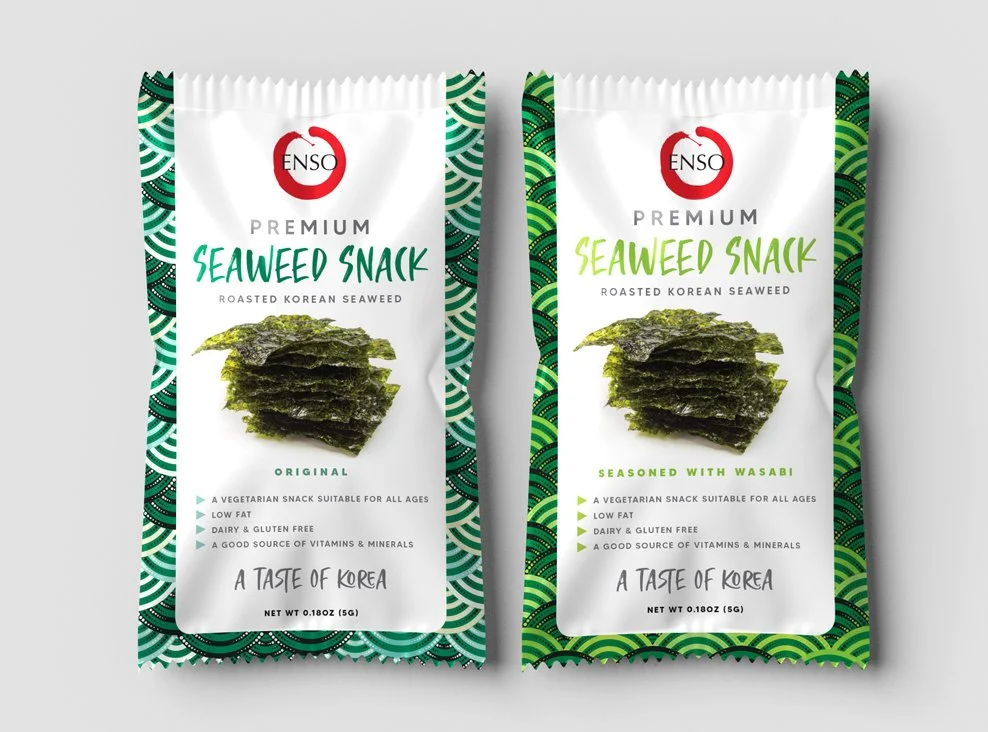
So what decisions are customers making about your product in those 3 seconds?
Whether it’s worth the price you’re asking (perceived value)
Does it appeal to them and invoke a connection through the use of imagery, colours or fonts
Is it trendy and a bit of a social status product? Some people love to keep up with the Jones’
Is the packaging sustainable? If this matters to your intended customer then this matters!
Packaging Size is there value for money here?
Can I see the product inside the packaging?
All these questions and more are assumptions made based on your packaging design alone
They hold a huge amount of influence over whether someone decides to purchase your product or not. You know it’s true, because we all do it.
72% of Americans are influenced by packaging design in their purchasing decisions. 55% have been swayed by ‘unboxing’ videos that lead them to purchase a product (still think those things don’t matter?) They shouldn’t, but the human brain is a wicked, wicked thing, and unfortunately these relatively silly things do make a difference whether we like it or not.
Knowing all these constant decisions consumers are weighing up, helps us make better decisions around the design to reel in your intended audience.
Take a minute to evaluate your packaging design now and ask someone who may never have seen it before what their first impression was around all the things mentioned above.
Ensure it aligns with what you intended otherwise it could be time to make some adjustments. If you need some guidance feel free to reach out, it’s what I do.
tell tale signs your packaging may just suck
Aesthetically speaking your packaging might look pretty good, but to who?
If you haven’t identified your target audience and what makes them tick, how can you design to appeal to those people. Design is not about making things look good (contrary to popular opinion) It’s about achieving a goal. Every little detail lives and breathes strategy (at least it should when undertaken the right way)
From colour, type choices and graphic style, right down to your actual packaging choices. They all matter and they all send a message to a consumer. Shaping those perceptions is what design achieves so all of the little things, all of those small details, they can be the difference between thriving product sales or a slow, expensive death gathering dust on a shelf.
There has been a big surge in packaging design in New Zealand
Being naturally curious whenever I see a clearance product I know does well usually I keep an eye out the next week. Lo and behold new packaging is rolling out 9 times out of 10. It’s been huge this year as the race for shelf space heats up. We know this ourselves as 75% of enquiry in 2025 & 2026 has been for packaging design projects. Brands need to evolve alongside their customers and also pay attention to their categories as to what impact a competitor coming in hot may have on their sales.
Packaging influences 72% of purchasing decisionsmaking it a crucial investment for all product-based businesses to get right.
If you’re on the fence between two designs we recommend using stickybeak. It’s an investment sure, but an informed decision lowers the risk of a poor outcome which is going to cost you a lot more down the line.

